
Table of Contents
- Why Your Metabolism Changes After Bariatric Surgery
- How to Fix Fatigue After Bariatric Surgery
- Best Supplements for Bariatric Metabolism
- Protein Intake for Metabolic Health Post-Bariatric
- Signs of Nutrient Deficiency After Bariatric Surgery
- The Role of Hydration and Metabolic Adaptation
- Building a Sustainable Metabolic Recovery Plan
- Frequently Asked Questions
Last Updated: September 24, 2026
Why Your Metabolism Changes After Bariatric Surgery
Bariatric surgery fundamentally changes how your body processes food and absorbs nutrients by reducing stomach capacity and bypassing portions of your small intestine, which is why strategies to support metabolism bariatric health become essential to your recovery. Your metabolism doesn't just slow down, it operates under completely different rules.
How to Fix Fatigue After Bariatric Surgery
Fatigue after bariatric surgery stems from reduced caloric intake, compromised nutrient absorption, and accelerated muscle loss. Understanding this cascade is essential to fixing it.
The Metabolic Cascade Behind Post-Surgical Fatigue
Bariatric surgery reduces or bypasses the duodenum and proximal jejunum, where iron, calcium, B12, and fat-soluble vitamins are normally absorbed. Within 4-8 weeks, your circulating nutrient levels begin to decline.
The Specific Deficiencies Driving Your Exhaustion
Thiamine (Vitamin B1) deficiency emerges earliest. Bariatric patients absorb only 10-20% of dietary thiamine due to reduced stomach acid. Within 6-12 weeks, circulating thiamine levels drop, causing fatigue, brain fog, and difficulty concentrating. Left unaddressed beyond 3-4 months, it can progress to Wernicke's encephalopathy, a medical emergency featuring confusion, vision disturbances, and permanent neurological damage.
The Timeline of Deficiency Progression
Weeks 1-4 post-op: Fatigue is primarily from surgery and caloric restriction. Nutrient stores remain adequate.
Fixing Fatigue: The Four-Point Protocol
1. Therapeutic-dose thiamine (50-75 mg daily). Post-bariatric patients need 30-50 times the standard RDA to achieve adequate circulating levels. Thiamine produces noticeable energy improvement within 2-4 weeks.
Best Supplements for Bariatric Metabolism
The Four-Nutrient Foundation
Your altered metabolism demands therapeutic-strength formulations in bioavailable forms specifically designed to support metabolism bariatric health, not generic multivitamins created for intact digestive systems.
Supporting Your Altered Absorption Pathways
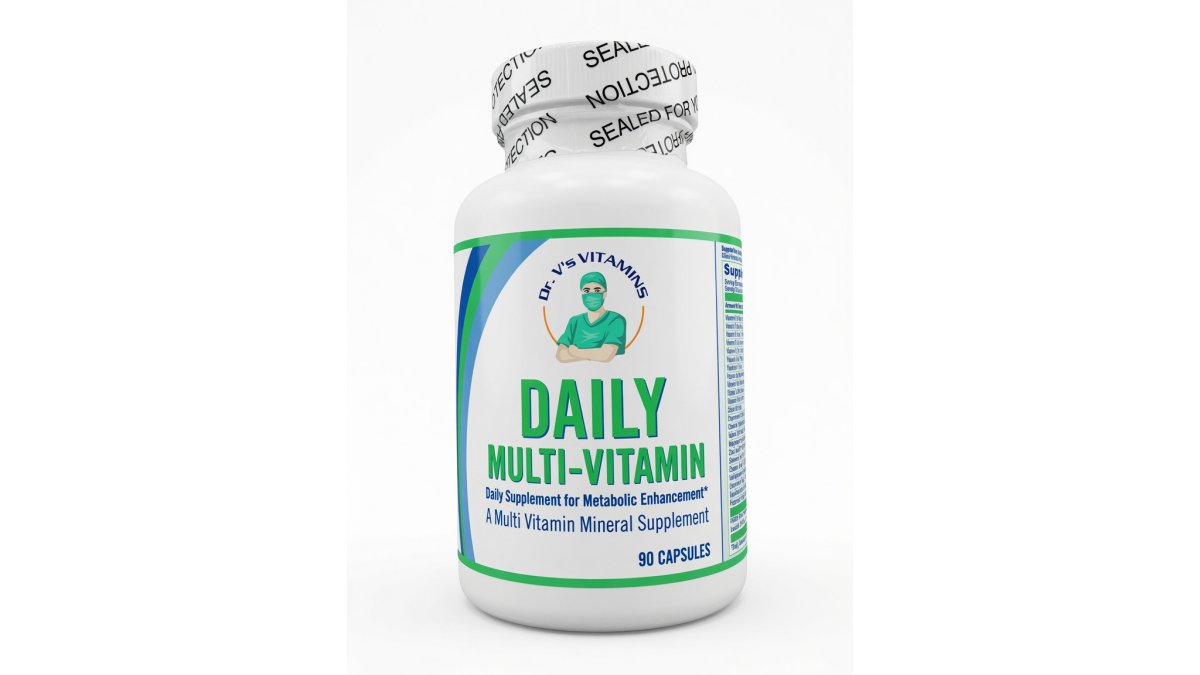
Your compromised absorption demands attention to nutrient synergy. Vitamin C enhances iron uptake. B-complex vitamins work synergistically. The Bariatric Daily Multivitamin delivers a full B-complex at therapeutic doses: B1 through B12, plus biotin, folic acid, and pantothenic acid. For menstruating women, iron deficiency progresses rapidly toward anemia. The Bariatric Iron Bis-Glycinate with Vitamin C addresses this directly, using a form your altered anatomy can absorb.

Protein Intake for Metabolic Health Post-Bariatric
Protein preservation is non-negotiable after bariatric surgery. Without adequate protein, your body catabolizes muscle tissue to meet energy needs. Post-bariatric guidelines recommend 60-80 grams of protein daily across multiple small meals. Prioritize high-quality sources: eggs, Greek yogurt, lean meats, and protein supplements. Protein synthesis requires adequate B vitamins and iron. The Vitamin B Complex supports protein metabolism at the enzymatic level, while iron carries oxygen to muscles for energy production.
Signs of Nutrient Deficiency After Bariatric Surgery
Brain fog and persistent fatigue are the earliest warning signs. Look for brittle nails, hair loss, pale skin, shortness of breath on mild exertion, numbness or tingling, muscle weakness, bone pain, or mood changes. These signal nutrient emergency. Get blood work done to check B12, B1, iron, vitamin D, and calcium levels. Most patients discover they're severely deficient on supplements they thought were adequate.
The Role of Hydration and Metabolic Adaptation
Hydration after bariatric surgery is not simply about drinking enough water. It's about when and how you drink, because your altered anatomy makes you vulnerable to dumping syndrome, a metabolic crisis that competitors never address in the context of hydration strategy.
Why Hydration Timing Matters More Than Volume Post-Surgery
Your reduced stomach capacity (typically 4-6 ounces) creates a critical constraint: fluid and food compete for space. Drinking with meals displaces nutrient-dense food and triggers dumping syndrome, rapid fluid entry into your small intestine causing blood sugar spikes and crashes. Dumping syndrome also impairs nutrient absorption by moving food through too quickly. Proper hydration timing, consuming fluids between meals, preserves stomach space for protein and micronutrients while preventing dumping syndrome.
The Hydration Protocol for Metabolic Stability
Drink 30 minutes before meals (8-12 ounces of water, herbal tea, or low-sugar electrolyte solution).
How Dehydration Accelerates Metabolic Plateau
Thermogenesis suppression: Dehydration reduces thermogenesis, lowering your metabolic rate by 3-5%.
Hydration and Nutrient Absorption Synergy
Micronutrient absorption requires adequate gastric juice and sufficient small intestinal fluid. Dehydration reduces both, further impairing absorption already compromised by surgery. Iron absorption efficiency drops 20-30% with dehydration. B12 and calcium absorption also depend on adequate hydration. Proper hydration timing (fluids between meals) combined with adequate total volume (64-80 ounces daily) optimizes your compromised absorption pathways.
Monitoring Hydration Status
Urine color is your primary indicator. Pale yellow or clear urine indicates adequate hydration. Dark yellow or amber urine signals dehydration. Check your urine color 3-4 times daily, especially during the first 6 months post-surgery when you're learning to balance fluid intake with your reduced capacity.
Building a Sustainable Metabolic Recovery Plan
Your metabolic recovery isn't a sprint. It's a process of stabilizing nutrient status, preserving muscle mass, and establishing sustainable eating and activity patterns.
| Supplement | Primary Role | Typical Dose | Cost |
|---|---|---|---|
| Bariatric Daily Multivitamin | Foundation micronutrients | 3 capsules daily | $25 |
| Vitamin B Complex | Energy, neurological support | 1-2 capsules daily | $15 |
| Iron Bis-Glycinate | Oxygen transport, energy | 1 capsule daily | $22 |
| Vitamin D3 5,000 IU | Bone health, muscle function | 1 capsule daily | $26 |
| Chewable B12 | Red blood cells, neurological health | 1 tablet daily | $21 |
Frequently Asked Questions
What causes fatigue after bariatric surgery and how can I fix it?
Fatigue after bariatric surgery stems from reduced food intake, altered nutrient absorption, and deficiencies in iron, B vitamins, and protein. To address it, prioritize high-quality protein (at least 60-80 grams daily), ensure adequate B vitamin intake, especially thiamine and B12, and consider specialized supplements formulated for post-surgical absorption. Iron bis-glycinate is gentler on your altered digestive system than standard iron supplements. Blood work from your bariatric care team will reveal specific deficiencies; targeted supplementation based on those results typically resolves fatigue within 4-8 weeks.
Do bariatric patients need specific supplements to support metabolism?
Yes. Generic vitamins miss the unique absorption challenges bariatric patients face. After surgery, your reduced stomach acid, bypassed intestinal segments, and altered anatomy mean you absorb far less of standard supplement forms. Specialized formulas use bioavailable ingredients: methylcobalamin instead of cyanocobalamin for B12, iron bis-glycinate instead of ferrous sulfate, and therapeutic-dose thiamine (75 mg versus the standard 1.5 mg). Dr. V's Bariatric Bundle ($79) combines the four nutrients most depleted post-surgery, multivitamin, D3, iron, and B12, in forms your altered metabolism can actually use.
How can protein intake influence metabolic health post-surgery?
Protein is critical for preserving lean muscle mass during rapid weight loss and supporting thermogenesis, the energy your body burns to process food. Most bariatric patients need 60-80 grams of protein daily, spread across multiple meals to overcome reduced stomach capacity. Adequate protein also supports satiety, reducing hunger and preventing metabolic adaptation (the plateau where weight loss stalls). Protein synthesis requires B vitamins and iron; if you're deficient in either, your body cannot build or maintain muscle effectively, slowing your basal metabolic rate and making weight loss harder.
What are the most common signs of nutrient deficiency after bariatric surgery?
Watch for persistent fatigue, brain fog, hair loss, brittle nails, pale or ashy skin (iron deficiency), numbness or tingling in hands and feet (B12 deficiency), muscle weakness, mood changes, and slow wound healing. Thiamine deficiency can cause neurological symptoms including confusion and loss of coordination. Don't rely on symptoms alone, ask your bariatric care team for annual blood work measuring B12, iron, folate, thiamine, vitamin D, and albumin. Catching deficiencies early prevents serious complications like anemia or nerve damage. Specialized bariatric supplements help prevent these gaps from developing.
How does hydration affect metabolism after bariatric surgery?
Hydration directly influences metabolic rate and nutrient absorption. Dehydration slows thermogenesis (energy expenditure) and impairs your ability to absorb and transport nutrients through your bloodstream. After bariatric surgery, you have a smaller stomach, so spread water intake throughout the day, aim for at least 64 ounces daily, taken in small sips between meals (not during meals, which can cause dumping syndrome). Proper hydration also supports kidney function, helping your body eliminate metabolic waste efficiently during rapid weight loss. Electrolyte balance matters too; consider a bariatric-specific electrolyte supplement if you experience cramping or fatigue.
Why is bioavailability more important than dose for bariatric patients?
Bioavailability, how much of a nutrient your body can actually absorb and use, is what matters after surgery. A high dose of a poorly absorbed form is nearly useless. For example, iron bis-glycinate has 40-50% higher absorption than ferrous sulfate, and methylcobalamin (B12) delivers 60-80% bioavailability compared to 15-25% for synthetic cyanocobalamin. Your altered GI anatomy means you cannot rely on stomach acid or an intact duodenum for absorption. Specialized formulas like the Bariatric Daily Multivitamin ($25) use chelated minerals and active vitamin forms that bypass these barriers, ensuring your body gets the nutrients it needs.
How long does it take to feel better after starting bariatric-specific supplements?
Most patients notice improvements in energy and mental clarity within 2-4 weeks of starting targeted supplementation, especially if their blood work confirmed specific deficiencies. B vitamin and iron absorption improves quickly once you switch to bioavailable forms. However, rebuilding depleted nutrient stores fully, particularly for vitamin D and iron, takes 8-12 weeks. Consistency matters; take supplements as directed daily. Pair supplementation with adequate protein intake and hydration for best results. If fatigue persists beyond 8 weeks, return to your care team for updated blood work to identify any remaining gaps.