

Table of Contents
- Why Fatigue After Bariatric Surgery Happens
- Bariatric Vitamin Deficiency Symptoms to Watch For
- How Long Does Fatigue Last After Bariatric Surgery
- Protein Intake Requirements After Bariatric Surgery
- Step-by-Step Protocol to Fix Fatigue After Bariatric Surgery
- When to Consult Your Doctor About Post-Surgery Fatigue
- Conclusion
Last Updated: August 18, 2026
Fatigue after bariatric surgery is one of the most common complaints patients bring to follow-up appointments, yet it's also one of the most underaddressed. At WLSVitamins, we work with post-operative patients every day who are doing everything "right" and still dragging themselves through the afternoon. The problem is almost never laziness or poor motivation. It's biology, specifically what happens when a surgically altered digestive system struggles to absorb the nutrients your body needs to generate energy.
The good news: most post-bariatric fatigue is correctable. Below, we'll walk through exactly why it happens, what warning signs to watch for, and a step-by-step protocol to reclaim your energy.
Why Fatigue After Bariatric Surgery Happens
After procedures like gastric bypass or gastric sleeve, your body undergoes dramatic changes in how it absorbs macronutrients and micronutrients. The stomach is smaller, gastric acid production changes, and the surface area available for nutrient absorption is reduced. This directly affects your baseline energy.
The rapid weight loss itself is metabolically demanding. Your body is breaking down fat stores under physiological stress, and if protein intake and supplementation don't compensate, the body begins drawing on muscle mass for fuel, a process called catabolism that leaves you feeling depleted.
Hibernation Syndrome and Metabolic Adaptation
Hibernation syndrome is a term used in bariatric medicine to describe profound fatigue, low motivation, and mental fog that some patients experience in the months following surgery. The body, responding to a dramatic reduction in caloric intake, downregulates its metabolic rate to conserve energy. Patients in this state often sleep more than usual, feel cold, and struggle to complete basic tasks.
This is not the same as depression, though the two can overlap. Hibernation syndrome is a metabolic adaptation, the body's attempt to survive what it perceives as a famine. Importantly, it is not permanent and typically resolves as caloric intake stabilizes and nutritional deficiencies are corrected.
Medication Interactions That Drain Energy
After bariatric surgery, the absorption rate of oral medications changes significantly because of altered gut anatomy and reduced stomach acid. Some medications are absorbed faster, some slower, and some barely at all depending on the formulation.
Certain medications commonly prescribed post-operatively, including some proton pump inhibitors, diuretics, and blood pressure medications, can independently cause fatigue as a side effect. If your fatigue is severe and doesn't respond to nutritional correction, a medication review with your prescribing physician is essential, as dosing adjustments are common after bariatric surgery.
Bariatric Vitamin Deficiency Symptoms to Watch For
Nutritional deficiency is the most common correctable cause of fatigue after bariatric surgery. Deficiencies often develop gradually, and symptoms can be vague enough that patients attribute them to something else entirely.

According to the American Society for Metabolic and Bariatric Surgery's nutritional guidelines, bariatric surgery patients are at elevated risk for multiple micronutrient deficiencies, particularly in the first two years after surgery. The most common deficiencies that directly cause fatigue include iron, vitamin B12, vitamin D, and folate.
Micronutrient absorption after bariatric surgery is impaired even when patients are eating well. Generic multivitamins are often insufficient because they're formulated for intact digestive systems. Bariatric-specific supplementation addresses the different absorption dynamics that occur after procedures like gastric bypass.
Iron Deficiency Anemia and B12 Levels
Iron deficiency anemia is the most frequent cause of persistent, severe fatigue in bariatric patients. The stomach produces hydrochloric acid that converts dietary iron into a form the small intestine can absorb. After gastric bypass, that acid production is dramatically reduced, and the section of the small intestine most efficient at absorbing iron is often bypassed entirely.
Symptoms of iron deficiency anemia include pale or yellowish skin, shortness of breath with minimal exertion, heart palpitations, cold hands and feet, brittle nails, hair loss, and difficulty concentrating.
B12 deficiency produces a distinct but overlapping symptom set. B12 requires intrinsic factor, a protein produced in the stomach lining, for absorption. Reduced stomach tissue after bariatric surgery means reduced intrinsic factor and reduced B12 absorption regardless of dietary intake. Low B12 levels cause neurological symptoms alongside fatigue: tingling in the hands and feet, memory problems, and mood disturbances.
Both deficiencies are detectable through routine blood work. If you haven't had a full micronutrient panel in the past six months, that's the starting point.
Electrolyte Imbalance Symptoms You Shouldn't Ignore
Electrolyte imbalance is an underappreciated contributor to post-bariatric fatigue. Reduced food volume and altered absorption mean electrolyte levels can drop faster than expected, especially during periods of illness, heat, or increased physical activity.
Symptoms that suggest electrolyte imbalance include muscle cramps or spasms, heart palpitations or irregular heartbeat, muscle weakness disproportionate to activity level, headaches that don't respond to hydration alone, nausea without an obvious cause, and numbness or tingling.
Magnesium deficiency deserves particular attention. It's involved in over 300 enzymatic reactions in the body, including those that produce ATP, your cells' primary energy currency. Low magnesium directly impairs energy production at the cellular level and is frequently missed on standard blood panels unless a magnesium RBC test is specifically ordered.
How Long Does Fatigue Last After Bariatric Surgery
Post-bariatric fatigue typically peaks in the first one to three months after surgery and gradually improves as the body adapts and nutritional support is optimized. For most patients who address deficiencies proactively, energy levels approach a new baseline by months four to six.
Fatigue that persists beyond six months, or that worsens after an initial improvement, is a clinical signal, not a normal part of recovery.
Protein Intake Requirements After Bariatric Surgery
Protein is the single most important macronutrient for energy and recovery after bariatric surgery. Most bariatric programs recommend a minimum of 60 to 80 grams of protein per day, with many surgeons and dietitians targeting 80 to 100 grams or more depending on body weight and activity level.
According to the National Institutes of Health's guidance on post-bariatric nutrition, inadequate protein intake after weight loss surgery contributes to muscle loss, immune suppression, and prolonged fatigue. Practical priorities: eat protein first at every meal; choose high-density sources like eggs, Greek yogurt, cottage cheese, fish, poultry, and lean meats; use protein shakes strategically to bridge gaps; and spread protein intake across the day rather than concentrating it in one or two meals.
The protein-fatigue connection is direct: insufficient protein intake accelerates catabolism, which depletes muscle mass and reduces metabolic rate.
Step-by-Step Protocol to Fix Fatigue After Bariatric Surgery
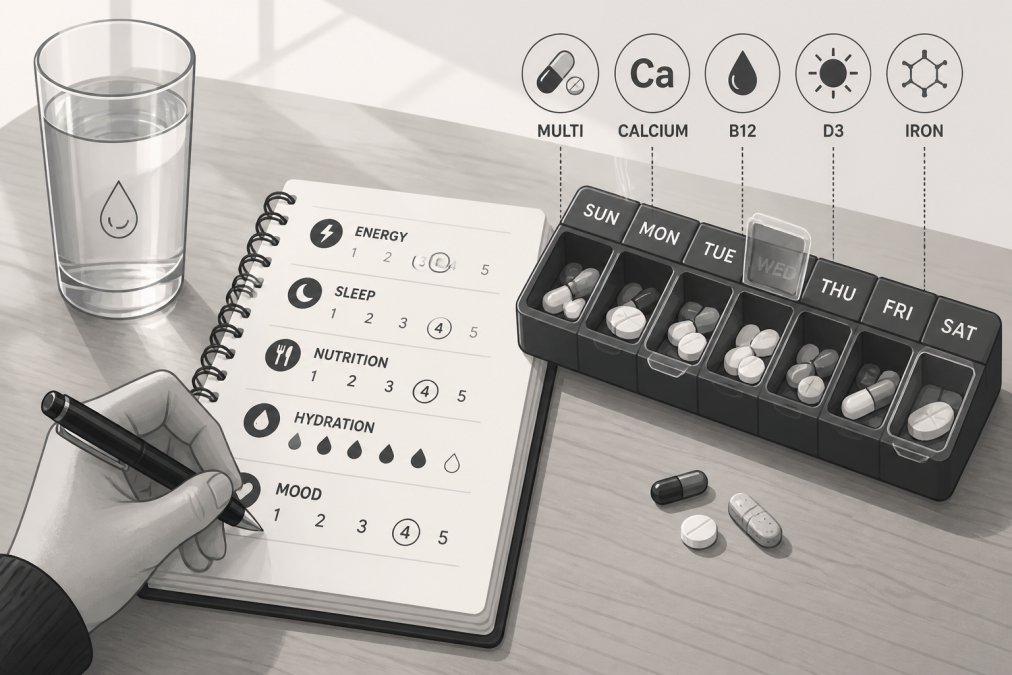
Most patients who are still exhausted months after surgery are missing one or more of these five steps. Work through them in order, each one builds on the last.
| Step | Focus Area | Frequency | Expected Impact |
|---|---|---|---|
| 1 | Daily hydration audit | Every day | Reduces lethargy within days |
| 2 | Targeted supplementation | Daily, ongoing | Corrects deficiencies over weeks |
| 3 | Fatigue tracking log | Daily for 2-4 weeks | Identifies patterns and triggers |
| 4 | Gradual physical activity | 3-5x per week | Improves energy within 2-4 weeks |
| 5 | Sleep and emotional recovery | Nightly + ongoing | Foundational for all other steps |
Step 1: Audit Your Hydration Daily
Dehydration is the fastest route to fatigue after bariatric surgery. The smaller stomach means thirst signals are less reliable, and the no-drinking-with-meals rule means patients have fewer natural opportunities to hydrate.
The hydration goal for most bariatric patients is 64 ounces (about 2 liters) of fluid per day, consumed in small sips throughout the day. Fill a marked water bottle at the start of each day and track how much you finish; note the color of your urine (pale yellow indicates adequate hydration; dark yellow or amber indicates dehydration); set phone reminders every 30-45 minutes to sip; and avoid caffeinated beverages that increase fluid loss.
Step 2: Close Nutritional Gaps With Targeted Supplementation
Generic drugstore multivitamins are not designed for post-bariatric nutrient absorption. After gastric bypass or gastric sleeve surgery, the digestive system's capacity to extract micronutrients from standard supplement formulations is reduced. Chewable or liquid formats are often better absorbed than standard capsules in the early post-operative period.
The core supplementation stack for most bariatric patients includes a bariatric-specific multivitamin with higher doses of fat-soluble vitamins (A, D, E, K); iron with vitamin C (vitamin C enhances iron absorption; take iron separately from calcium); vitamin B12 in sublingual or methylcobalamin form; calcium citrate (not carbonate) in divided doses throughout the day; and magnesium glycinate or malate for energy production and sleep quality.
WLSVitamins formulas are developed by a bariatric surgeon using over two decades of patient blood work, specifically calibrated to address the deficiency patterns that standard supplements miss.
Step 3: Build a Fatigue Tracking Log
A fatigue tracking log turns vague complaints into actionable data. Track daily for two to four weeks: energy level on waking, at midday, and at 4pm (1-10 scale); total fluid intake (ounces); total protein intake (grams); supplements taken (yes/no for each); sleep duration (hours) and quality (1-10 scale); and any notable symptoms like headache, muscle cramps, brain fog, or mood changes.
After two weeks, patterns emerge. Fatigue that consistently spikes at 2pm often points to blood glucose instability. Fatigue that's worst on days when protein intake was low confirms the protein-energy connection. This log is invaluable when you see your bariatric team.
Step 4: Reintroduce Physical Activity Gradually
When you're exhausted, exercise sounds counterintuitive. But physical inactivity after bariatric surgery accelerates muscle loss, worsens metabolic adaptation, and deepens fatigue over time. The key word is gradual.
As the American College of Sports Medicine's guidance on exercise after bariatric surgery notes, progressive physical activity improves insulin sensitivity, supports metabolic rate, and enhances sleep quality, all of which directly address post-bariatric fatigue.
Build activity in this sequence: weeks 1-4, walking only (10-20 minutes per session); weeks 4-8, increase walking duration and add gentle stretching; weeks 8-12, introduce light resistance training (bands, bodyweight); month 3+, progressively increase resistance and duration based on energy and recovery.
Step 5: Prioritize Sleep Quality and Emotional Recovery
Sleep quality after bariatric surgery is frequently disrupted due to hormonal shifts and changes in hunger hormones like ghrelin. Poor sleep quality is not just a symptom of fatigue, it's a cause. Inadequate restorative sleep impairs growth hormone secretion, which is critical for tissue repair and metabolic function.
Practical sleep hygiene for bariatric patients: maintain a consistent sleep and wake time, even on weekends; avoid protein shakes or large fluid intake within 90 minutes of bedtime to reduce nighttime waking; screen for obstructive sleep apnea if you snore or wake unrefreshed, as weight loss changes airway anatomy and CPAP settings may need adjustment; and address anxiety or depression directly with your healthcare provider.
The emotional dimension deserves direct acknowledgment. Many patients experience grief after bariatric surgery, grief for the relationship with food they've had to change, frustration when results feel slower than anticipated. These emotional burdens are metabolically real. Stress hormones are catabolic. Emotional recovery is part of physical recovery.
When to Consult Your Doctor About Post-Surgery Fatigue
Some fatigue after bariatric surgery is expected. Some is a clinical warning sign that requires prompt evaluation.
Consult your bariatric team or primary care physician promptly if you experience fatigue that is getting worse after the first month; fatigue accompanied by shortness of breath at rest or with minimal activity; heart palpitations or irregular heartbeat; severe muscle weakness or difficulty walking; numbness or tingling in hands, feet, or face; fatigue combined with significant hair loss, pale skin, or jaundice; inability to meet hydration goals due to nausea or vomiting; or depression, anxiety, or suicidal ideation.
These symptoms may indicate severe anemia, electrolyte imbalance, surgical complications, or other conditions that require medical intervention. As noted in guidance from the National Institute of Diabetes and Digestive and Kidney Diseases on bariatric surgery follow-up, consistent follow-up care is one of the strongest predictors of long-term success after weight loss surgery.
Fatigue management after bariatric surgery is not a one-time fix. It's an ongoing process of monitoring, adjusting, and responding to what your body tells you. The patients who recover their energy most reliably are the ones who treat post-operative nutrition and recovery as seriously as they treated the surgery itself.
Persistent fatigue after bariatric surgery is a solvable problem, but it requires the right tools. Generic supplements, inconsistent hydration, and inadequate protein intake are the most common reasons patients stay stuck in exhaustion long after they should have turned the corner. WLSVitamins provides clinician-formulated supplements developed by a bariatric surgeon from over 20 years of patient blood work, specifically designed to address the nutrient absorption challenges that follow gastric bypass, gastric sleeve, and other weight loss procedures. Get started with WLSVitamins and give your body the targeted nutritional support it needs to rebuild your energy from the ground up.
Frequently Asked Questions
Is extreme exhaustion normal after weight loss surgery?
Yes, significant fatigue is common in the weeks following gastric bypass or gastric sleeve surgery. Your body is managing surgical recovery, a sharp calorie deficit, and reduced nutrient absorption all at once. Hibernation syndrome, where your metabolism slows to conserve energy during rapid weight loss, also contributes. Most patients see improvement within 6 to 12 weeks, but persistent exhaustion beyond that warrants blood work to rule out iron deficiency anemia, low B12 levels, or other micronutrient deficiencies.
How long does fatigue last after bariatric surgery?
For most patients, the worst fatigue after bariatric surgery lifts within 4 to 8 weeks post-operation as the body stabilizes. However, fatigue driven by vitamin deficiency, inadequate protein intake, or dehydration can persist for months if left unaddressed. Patients who meet their hydration goals, hit daily protein targets, and take bariatric-specific supplements consistently tend to recover baseline energy faster than those relying on generic vitamins that may not absorb adequately after surgery.
What role does protein intake play in post-surgery energy levels?
Protein is central to post-bariatric energy because it preserves lean muscle mass, which drives your metabolic rate. Without adequate protein intake after bariatric surgery, your body breaks down muscle for fuel, accelerating fatigue and slowing recovery. Most bariatric programs recommend 60 to 80 grams of protein per day at minimum, with some surgeons targeting higher amounts depending on starting weight and surgery type. Prioritizing protein at every meal before other foods is the standard clinical approach.
When should I see a doctor for post-bariatric fatigue?
Contact your bariatric care team if fatigue is severe enough to interfere with daily function, worsens after the first month, or comes with symptoms like shortness of breath, heart palpitations, numbness, or persistent brain fog. These can signal iron deficiency anemia, critically low B12 levels, or electrolyte imbalance that requires clinical intervention. A comprehensive metabolic panel and micronutrient blood work are the standard first steps your provider will order to identify the underlying cause.
This article was written using GrandRanker