

Table of Contents
- Why Vitamin Absorption Changes After Surgery
- Bariatric Vitamin Deficiency Symptoms to Watch For
- How to Take Bariatric Vitamins Correctly
- Building Your Bariatric Supplement Schedule
- Iron Absorption Tips for Bariatric Patients
- Optimize Absorption Through Timing and Food Pairing
- Managing Nausea and Digestive Issues During Supplementation
- Long-Term Monitoring and Adjustments
Last Updated: August 28, 2026
Why Vitamin Absorption Changes After Surgery
Bariatric surgery fundamentally alters how your digestive system processes nutrients. When you have gastric bypass, sleeve gastrectomy, or other weight loss procedures, your body loses critical surface area in the stomach and small intestine where nutrient absorption normally happens. The low-acid environment created after surgery makes it harder for your body to break down certain nutrients like calcium, iron, and B vitamins.
Understanding bioavailability becomes critical, it refers to how much of a nutrient your body can actually absorb and use. A standard multivitamin might contain the right amounts on paper, but if your body can't absorb it effectively, you're wasting money and missing out on the nutritional support you need. The timing of when you take supplements, what form they come in, and what you eat alongside them all influence whether your body can absorb them.
Bariatric Vitamin Deficiency Symptoms to Watch For
Recognizing early signs of nutrient deficiencies helps you catch problems before they become serious. Your body sends clear signals when it's not getting what it needs.
Fatigue that doesn't improve weeks after surgery often points to iron or B12 deficiency. You might feel exhausted despite adequate sleep, signaling that your body is missing essential nutrients needed for energy production.
Hair loss typically appears 3-6 months post-surgery and indicates protein and micronutrient deficiencies (peer-reviewed research). While some hair loss is normal after rapid weight loss, excessive shedding suggests you need to reassess your supplementation strategy.
Brain fog and difficulty concentrating point to B vitamin deficiencies, particularly B12 and thiamine. You might struggle to focus at work or feel mentally sluggish throughout the day.
Pale or sallow skin, shortness of breath with minimal exertion, and persistent weakness suggest iron deficiency anemia. Women who menstruate face particular risk because they lose iron monthly, and iron absorption post-surgery requires specific supplement forms.
Bone pain, muscle weakness, and mood changes can indicate vitamin D deficiency. After surgery, your body struggles to absorb vitamin D from food and sunlight exposure alone.
Numbness or tingling in your extremities, particularly in your hands and feet, suggests B12 or folate deficiency. These neurological symptoms can become permanent if left untreated.
How to Take Bariatric Vitamins Correctly
Taking the right supplements in the right way determines whether you actually absorb them. Most patients fail at supplementation not because they choose the wrong products, but because they don't understand how post-surgical absorption works.
Choosing the Right Supplement Forms
The form of a vitamin dramatically affects how well your body can absorb it. Calcium citrate works far better than calcium carbonate for bariatric patients because it doesn't require stomach acid to break down. Iron glycinate, a chelated form of iron, is carried by a protein that helps it pass through your intestinal wall and causes significantly less nausea than standard iron supplements.

Methylcobalamin B12 is already metabolically active, unlike cyanocobalamin which requires your liver to convert it. Sublingual or chewable B12 supplements bypass your compromised digestive absorption entirely, delivering the nutrient directly through your mouth's mucous membranes.
Vitamin D3 in oil-based capsules absorbs better than dry powder forms because fat-soluble vitamins need dietary fat for absorption. Bariatric patients typically need 5,000 IU daily or higher, significantly more than standard recommendations (the NIH).
Chewable or liquid supplements often work better than pills for sensitive post-surgical stomachs. Chewing or liquifying supplements also begins the breakdown process before they reach your stomach, compensating for your reduced stomach acid.
Spacing Supplements Throughout the Day
Taking all your supplements at once overwhelms your compromised absorption system. Your small intestine can only absorb so much at one time, so excess nutrients pass through unused. Spacing supplements throughout the day maximizes what your body can actually absorb.
Most bariatric patients do well with a morning dose, midday dose, and evening dose. Calcium and iron compete for absorption, so take them at least 2-3 hours apart (peer-reviewed research). Water-soluble vitamins like B vitamins can be taken together, but fat-soluble vitamins like A, D, E, and K need dietary fat for absorption.
Building Your Bariatric Supplement Schedule
Creating a realistic supplement schedule you'll actually follow matters more than having perfect supplements. A supplement only works if you take it consistently.
Start with a basic framework: morning multivitamin, midday iron supplement, evening calcium supplement. This simple structure covers your most critical nutrient needs while remaining manageable. Morning is ideal for your multivitamin because you're most likely to remember it with breakfast.

Midday iron supplementation works well because it's far from your morning calcium intake, preventing absorption competition. Taking iron with vitamin C enhances absorption, so pair it with orange juice or a vitamin C supplement. Evening calcium supplementation supports bone health during sleep and prevents interference with your iron supplement.
Consider using a pill organizer or weekly supplement container to prefill your doses. Many bariatric patients find that preparing a week's worth of supplements on Sunday dramatically improves compliance.

Iron Absorption Tips for Bariatric Patients
Iron deficiency is among the most common nutritional complications after bariatric surgery, particularly for menstruating women. Your altered digestive system struggles to absorb iron from food, making supplementation essential.
Iron glycinate represents the gold standard for bariatric patients because the protein carrier facilitates absorption through your compromised intestinal wall. This form causes minimal nausea and doesn't require the stomach acid your surgery reduced.
Vitamin C dramatically enhances iron absorption by creating an acidic environment that helps your body break down and use the mineral. Take your iron supplement with orange juice, a vitamin C tablet, or citric acid. This simple addition can increase absorption by 300% or more.
Avoid taking iron with calcium, coffee, or tea, as these substances inhibit absorption. Spacing iron at least 2-3 hours away from calcium supplements protects your absorption window.
Taking iron on an empty stomach technically increases absorption, but most bariatric patients experience significant nausea. A small amount of easily digestible food like applesauce, yogurt, or toast allows you to tolerate the supplement while maintaining reasonable absorption.
Menstruating women should check their iron status annually through blood work. Your monthly blood loss compounds your surgical absorption challenges, putting you at particular risk.
Optimize Absorption Through Timing and Food Pairing
The relationship between supplements, food, and your digestive system determines whether nutrients actually enter your bloodstream or pass through unused.
Taking Supplements With Meals
Fat-soluble vitamins like D, A, E, and K absolutely require dietary fat for absorption. Taking these supplements with a meal containing healthy fats, nuts, avocado, olive oil, or fatty fish, enables your body to transport and use them.
Multivitamins containing a mix of fat-soluble and water-soluble vitamins work best with breakfast. A meal containing protein, healthy fat, and carbohydrates creates an optimal absorption environment.
Iron supplements paired with vitamin C-rich foods enhance absorption significantly. Taking iron with orange juice, strawberries, or bell peppers creates an acidic environment that facilitates iron breakdown and use.
Calcium supplements work best when taken with meals. A meal with protein and some fat improves overall nutrient absorption and reduces nausea.
Hydration and Nutrient Uptake
Adequate hydration directly supports nutrient absorption and use. Your body needs sufficient water to transport nutrients through your bloodstream and facilitate cellular uptake.
Drink at least 64 ounces of water daily, spread throughout the day. Sipping water consistently throughout the day works better than trying to drink large quantities at once. Avoid drinking large amounts of liquid immediately before or after meals, as this dilutes stomach acid and impairs nutrient absorption.
Coffee and tea contain compounds that inhibit iron absorption, so avoid these drinks near your iron supplementation time. Alcohol dehydrates your system and impairs nutrient absorption.
Managing Nausea and Digestive Issues During Supplementation
Nausea is the primary reason bariatric patients abandon supplementation. Your post-surgical stomach is sensitive, and certain supplements trigger nausea that makes consistency impossible.
Iron glycinate forms cause significantly less stomach irritation than other iron types. If you're experiencing nausea with your current iron supplement, switching to glycinate form often resolves the problem entirely.
Taking supplements with food reduces nausea substantially. A small amount of easily digestible food like applesauce, yogurt, crackers, or broth settles your stomach while allowing adequate absorption.
Ginger supplements or ginger tea taken 30 minutes before supplementation can reduce nausea significantly. Many bariatric patients find that adding ginger to their protocol improves their ability to tolerate other supplements.
Dividing your supplement doses into smaller amounts taken more frequently sometimes works better than larger doses. This approach reduces the volume your stomach must process and often minimizes nausea.
If nausea persists despite these strategies, discuss medication options with your bariatric surgeon. Switching from capsules to chewables, or from tablets to liquids, can dramatically improve digestive tolerance.
Long-Term Monitoring and Adjustments
Supplementation isn't a static strategy; it evolves as your body heals and your absorption capacity improves. Regular blood work guides adjustments to your supplement regimen.
Most bariatric surgeons recommend blood work at 3 months, 6 months, 12 months, and annually thereafter. These checkpoints reveal whether your current supplementation strategy is working or needs adjustment.
Vitamin B12 levels often improve with consistent supplementation, but some patients need ongoing B12 injections or high-dose supplements indefinitely. Iron status requires particularly close monitoring in menstruating women, as ongoing monthly blood loss compounds your absorption challenges.
Vitamin D status improves with consistent supplementation, but many patients need maintenance dosing indefinitely. Calcium and bone health monitoring becomes increasingly important as you progress further from surgery. A DEXA scan 1-2 years post-surgery establishes your bone density baseline.
Protein intake directly affects your ability to absorb and use nutrients. If your protein consumption drops below recommended levels, your nutrient absorption suffers despite excellent supplementation. Work with your bariatric surgery team to establish a monitoring schedule that tracks your specific risk factors.
Maintaining consistent energy and mental clarity after bariatric surgery depends on getting the right nutrients into your body in forms your altered digestive system can actually absorb. The strategies outlined here address the specific absorption challenges your surgery created, but individual needs vary based on your procedure type, timeline, and personal factors.
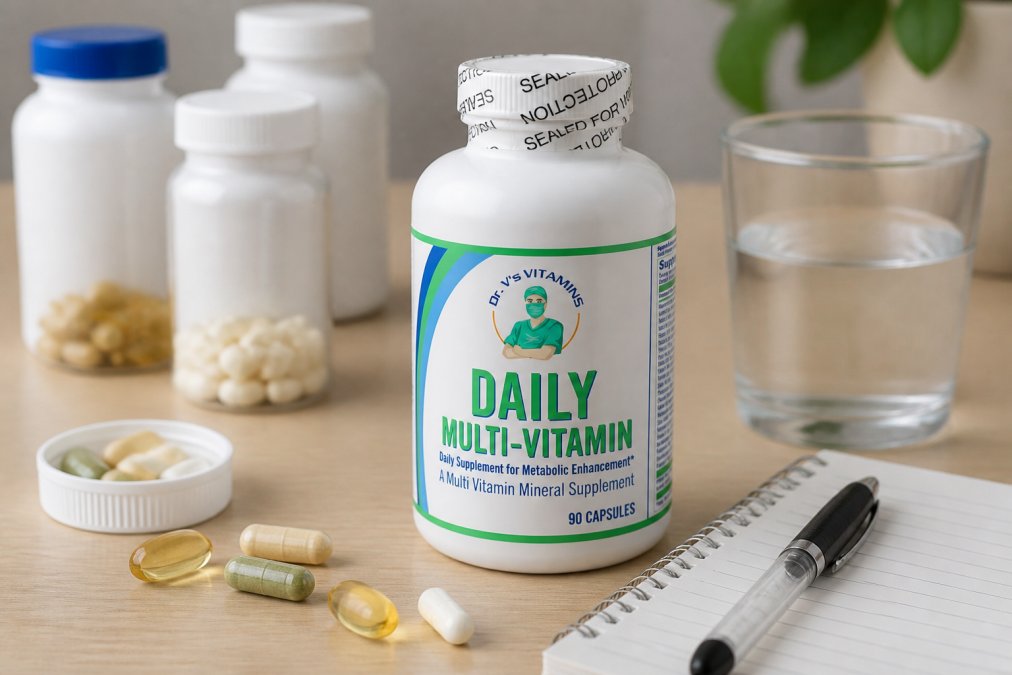
WLSVitamins formulas are specifically designed for bariatric patients and GLP-1 users, using supplement forms and combinations developed from over two decades of bariatric patient blood work. Our surgeon-formulated approach addresses the exact absorption challenges you face post-surgery. Start with our Dr. V's Daily Multi to establish a foundation, add our Iron Glycinate for iron support, and include our Chewable B12 to address the most common deficiency. These products work together to fill the nutritional gaps that generic supplements miss, helping you feel your best throughout your weight loss journey.

Frequently Asked Questions
What are the best supplement forms for vitamin absorption after bariatric surgery?
Chewable, liquid, and capsule forms typically absorb better than large tablets after bariatric surgery because they bypass the need for your smaller stomach pouch to break them down. Chelated minerals like iron glycinate are carried by proteins, making them more bioavailable in your altered digestive tract. Methylcobalamin (B12) is already metabolically active, unlike cyanocobalamin, which requires liver processing. Look for surgeon-formulated supplements designed specifically for post-bariatric patients, as they account for your changed anatomy and malabsorption challenges.
How do I know if I have bariatric vitamin deficiency symptoms?
Common signs include persistent fatigue, brain fog, hair loss, brittle nails, pale or sallow skin, and numbness or tingling in your hands or feet. Some patients experience shortness of breath (iron deficiency) or muscle weakness (calcium or vitamin D deficiency). These symptoms often develop months or years after surgery as nutrient stores deplete. If you notice any of these signs, don't wait, schedule blood work with your bariatric surgeon or nutritionist. Early detection prevents serious complications like anemia or neuropathy.
Can taking vitamins with food really improve my absorption after surgery?
Yes, but it depends on the vitamin. Fat-soluble vitamins (A, D, E, K) need dietary fat to absorb, so take them with meals containing healthy fats. Iron and calcium compete for absorption, so separate them by at least two hours. B vitamins generally absorb well with or without food, though taking them with a small meal can reduce nausea. After bariatric surgery, your stomach acid production is lower, which reduces absorption overall, food helps trigger what acid you do produce. Work with your surgeon to time each supplement correctly.
How often should I have blood work to monitor my nutrient levels?
Most bariatric surgeons recommend annual blood work for the first five years post-surgery, then every two years if levels are stable. If you're experiencing deficiency symptoms, more frequent testing (every 3-6 months) helps catch problems early. Key tests include serum B12, folate, iron (ferritin and TIBC), vitamin D, calcium, and protein levels. GLP-1 users should follow similar monitoring since these medications also reduce nutrient absorption. Tracking trends over time helps your surgeon adjust your supplement doses before deficiencies become severe.
This article was written using GrandRanker