
Table of Contents
- Why Protein Powder Matters After Bariatric Surgery With Lactose Intolerance
- Whey Isolate for Lactose Intolerance: The Most Common Choice
- Best Plant-Based Protein Powder After Bariatric Surgery
- Lactose-Free Protein Powder for Bariatric Patients: What to Look For
- Protein Intake After Bariatric Surgery: How Much Do You Actually Need?
- Common Mistakes When Choosing Protein Powder Post-Surgery
- Ready-to-Drink Shakes Versus Powdered Supplements
- Frequently Asked Questions
Last Updated: October 10, 2026
Why Protein Powder Matters After Bariatric Surgery With Lactose Intolerance
After bariatric surgery, your body changes dramatically, your stomach shrinks, nutrient absorption shifts, and your digestive system becomes sensitive. Dealing with protein powder lactose intolerance becomes critical to your recovery. The challenge isn't just hitting protein targets; it's finding a powder that dissolves well, tastes decent, and doesn't trigger nausea or upset. Most generic powders won't work for your post-surgery needs.
The right protein powder does more than fill a nutritional gap, it supports muscle recovery, reduces fatigue, and stabilizes your metabolism during rapid weight loss.
Whey Isolate for Lactose Intolerance: The Most Common Choice
Whey isolate is the gold standard for most bariatric patients with lactose intolerance. It's processed to remove nearly all lactose, making it tolerable even for sensitive stomachs.
How Ultra-Filtered Whey Isolate Differs From Concentrate
Whey concentrate contains 70-80% protein and retains more lactose. Whey isolate uses ultra-filtration to remove lactose and fat, delivering 90%+ protein, the smarter choice for lactose intolerance. Hydrolysate breaks protein into smaller peptides for easier digestion but tastes bitter and costs more. For most patients, isolate mixes cleanly, tastes better, and sits easier on a healing post-surgery stomach.
Digestibility and Stomach Tolerance
Whey isolate works because it's already partially broken down by processing, so your digestive system doesn't have to work as hard. Many patients report it feels less heavy than plant-based options, absorbs quickly, and doesn't cause bloating. Caveat: sip slowly and don't consume too much at once. Your body needs time to process protein in your new stomach capacity.
Best Plant-Based Protein Powder After Bariatric Surgery
Plant-based proteins work for bariatric patients, but they require more careful selection. Not all plant proteins are created equal, and some sit poorly in a post-surgery stomach.
Pea Protein and Complete Amino Acid Profiles
Pea protein isolate is the strongest plant-based option, it's a complete protein with all nine essential amino acids and doesn't trigger the bloating other plant proteins cause. The downside: it has a distinct earthy taste. Brands that blend pea with rice or hemp often mask the flavor better.
Mixability and Flavor Considerations
Plant-based powders don't mix as smoothly as whey isolate and often taste chalky or earthy. Blending with unsweetened almond milk or coconut milk improves both texture and flavor compared to water.
Lactose-Free Protein Powder for Bariatric Patients: What to Look For
Not all "lactose-free" labels mean the same thing, and understanding what you're actually buying, and whether you have lactose intolerance or a milk-protein allergy, protects you from surprises and potentially serious reactions.
Lactose Intolerance Versus Milk-Protein Allergy: Why the Difference Matters
These are two separate conditions, and the protein powder you choose depends on which one you have.
Lactose intolerance is the inability to digest lactose, a sugar in milk. Symptoms, bloating, gas, cramping, diarrhea, appear 30 minutes to 2 hours and are uncomfortable but not dangerous. You can tolerate lactose-free dairy, whey isolate, and milk-derived proteins if lactose is removed.
Milk-protein allergy is an immune response to milk proteins (casein or whey). Symptoms range from mild (itching, hives) to severe (anaphylaxis) and occur within minutes to hours. Even trace amounts trigger reactions. You cannot use whey isolate, whey hydrolysate, milk protein concentrate, or any dairy-derived powder.
Ask your bariatric surgeon or dietitian which condition you have before selecting a powder.
Reading Labels and Verifying Lactose Content
Federal regulations allow products with less than 0.5 grams of lactose per serving to be labeled "lactose-free." Check the ingredient list: whey isolate and whey hydrolysate are safest options when managing protein powder lactose intolerance. Whey concentrate, milk protein concentrate, and milk solids contain more lactose. Casein is lactose-free but unsuitable for milk-protein allergy. If a label doesn't specify lactose grams per serving, contact the manufacturer directly.
Egg-Based Protein as a Dairy-Free Alternative
Egg protein powder is an underrated option for lactose intolerance or milk-protein allergy. It's dairy-free, complete in all nine essential amino acids, and often easier on the stomach than plant-based proteins. It mixes well, has a mild flavor, and delivers excellent protein quality. Trade-off: it costs more per serving than whey isolate. Try it if whey isolate causes problems or if you have a confirmed milk-protein allergy.
Plant-Based Proteins for Milk Allergy
If you have a milk-protein allergy, plant-based proteins (pea, rice, hemp, soy) are safe alternatives. Pea protein isolate is the strongest option, it's a complete protein with all nine essential amino acids and doesn't trigger the bloating some other plant proteins cause.
Plant-based powders generally don't mix as smoothly as whey isolate and may leave a gritty texture. Flavor is often earthy or chalky. Many bariatric patients find that blending plant-based powders with unsweetened almond milk or coconut milk improves both texture and taste compared to water. Start with a small serving to assess tolerance, as plant proteins can cause gas or bloating in some people, particularly early in post-surgery recovery.
Protein Intake After Bariatric Surgery: How Much Do You Actually Need?
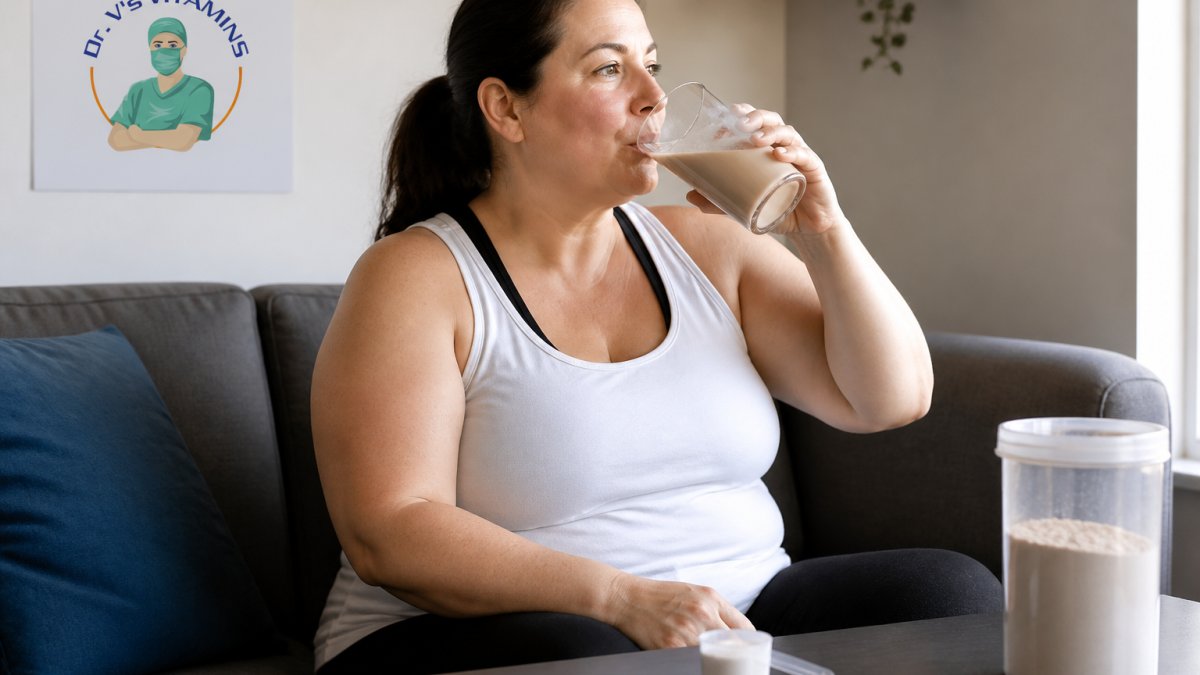
Protein targets change dramatically after bariatric surgery, and they shift again as your stomach heals and expands slightly. Your smaller stomach means you can't consume large amounts at once, so timing, frequency, and stage-specific targets matter as much as total grams.
Stage-Based Protein Targets: From Surgery to Maintenance
Immediate post-op (Days 1-7): 10-20g protein daily, 1-2 oz per sitting. Minimal powder use; mostly ready-to-drink protein water or diluted powder in broths.
Weeks 2-4: 20-30g daily, 2-4 oz per sitting. Introduce full protein shakes, consumed slowly over 20-30 minutes.
Weeks 4-8: 40-60g daily, 4-6 oz per sitting. Two to three shakes daily combined with soft foods.
Month 3 onward: 60-80g daily, 6-8 oz per sitting. One to two shakes daily plus regular food.
Your bariatric team will provide specific targets based on your surgery type and individual factors. Always follow your surgeon's or dietitian's recommendations.
Serving Size and Absorption: Why Smaller, More Frequent Doses Work Better
The biggest mistake is buying a powder based on grams of protein per serving without considering serving size and your stomach capacity. A powder that delivers 50 grams of protein per serving sounds efficient until you realize your post-surgery stomach can only handle 20-25 grams at a time.
Your body can only absorb so much protein in one sitting. Research suggests that consuming more than 25-30 grams of protein at once in the early post-surgery period may exceed your digestive capacity, leading to nausea, discomfort, or incomplete absorption.
The strategy isn't to drink one large protein shake. It's to spread protein intake throughout the day in small, frequent doses:
- A 20-25 gram serving of powder mixed into a shake, consumed slowly over 20-30 minutes
- Three to four servings daily to reach your daily target
- At least 30 minutes between protein servings to allow your stomach time to process
This approach also reduces the risk of nausea and stomach upset. Your healing digestive system works better with smaller, manageable amounts than with large boluses of protein.
Tracking Protein Intake and Adjusting as You Heal
Keep a simple log of your protein intake for the first 4-6 weeks post-op. Write down:
- Time of day
- Type of protein (powder, food, ready-to-drink shake)
- Grams of protein
- How you felt 30 minutes and 2 hours later
This log helps you and your bariatric team identify patterns. You may discover that you tolerate powder better at certain times of day, or that a specific brand or type consistently causes bloating. Tolerance often improves over time as your stomach heals, so what didn't work in week 3 might work in week 8.
Your protein target may also increase as you progress through phases. Check in with your surgeon or dietitian every 2-4 weeks to confirm you're on track and adjust your protein strategy as your stomach capacity grows.
Common Mistakes When Choosing Protein Powder Post-Surgery
Ignoring Serving Size and Absorption Rate
The biggest mistake is buying a powder based on grams of protein per serving without considering serving size. A powder that delivers 50 grams of protein per serving sounds great until you realize your post-surgery stomach can only handle 20-25 grams at a time.
Absorption rate matters too. Your body can only absorb so much protein in one sitting. Excess protein beyond what your body can use becomes wasted calories. Smaller, more frequent servings work better than fewer large ones.
Tolerance Testing and Symptom Troubleshooting
Don't assume the first powder you try will work. Start with a small amount, half a serving, and wait 30 minutes to see how your stomach responds. This matters even with isolate-based powders, because individual tolerance varies widely.
Common symptoms of a powder not working: nausea, bloating, stomach cramping, or constipation. If you experience any of these, switch to a different type. Don't push through it hoping your stomach will adapt. Your post-surgery digestive system is healing, and forcing it to tolerate something it rejects slows recovery.
Keep notes on which powders work and which don't. Tolerance can shift over time as your stomach heals, so what didn't work in month two might work in month six.
Ready-to-Drink Shakes Versus Powdered Supplements
Ready-to-drink shakes offer convenience. They're pre-mixed, require no blender, and you control the consumption pace by sipping straight from the bottle. For someone managing a busy schedule post-surgery, this simplicity is valuable.
Powdered supplements cost less per serving and offer more flexibility. You can adjust the thickness, add ingredients like nut butters or fiber, and customize flavor.
The practical choice depends on your lifestyle. If you're traveling or managing a hectic schedule early in recovery, ready-to-drink shakes reduce friction.
Many bariatric patients use both, powder at home for cost and control, ready-to-drink shakes when traveling or at work.
| Factor | Ready-to-Drink Shakes | Powdered Supplements |
|---|---|---|
| Convenience | High, no prep needed | Requires blending |
| Cost per serving | Higher | Lower |
| Customization | Limited | Extensive |
| Shelf stability | Long shelf life | Powder lasts longer |
| Portion control | Pre-portioned | You control amount |
| Taste variety | Limited to what's available | Mix and match options |
Choosing the right protein powder after bariatric surgery with lactose intolerance isn't just about hitting your protein targets.
Frequently Asked Questions
What is the best protein powder after bariatric surgery if you are lactose intolerant?
Whey isolate, plant-based protein powders (especially pea protein), and egg-based protein are your safest options. Whey isolate undergoes ultra-filtration to remove most lactose, making it easier to digest. Plant-based options like pea protein are naturally dairy-free and provide complete amino acids. Egg protein offers another lactose-free alternative. The best choice depends on your stomach tolerance, preferred taste, and how well you absorb each protein source. Start with small amounts to test tolerance before increasing serving size.
Is whey protein isolate lactose-free for bariatric patients?
Whey isolate is not completely lactose-free, but it contains significantly less lactose than whey concentrate. The ultra-filtration process removes about 90% of lactose, making it suitable for most people with lactose intolerance. However, some bariatric patients with severe lactose sensitivity may still experience symptoms. Always check the nutrition label for lactose content, and consider a tolerance test with a small amount before committing to a larger supply. If you experience any digestive discomfort, switch to plant-based or egg-based protein instead.
Can bariatric patients use plant-based protein powder?
Yes, bariatric patients can use plant-based protein powder, and many find it easier to digest than dairy options. Pea protein is particularly popular because it contains all nine essential amino acids, supporting muscle recovery and metabolism. Plant-based powders are naturally lactose-free and often gentler on sensitive stomachs after surgery. However, some plant-based options have higher carbohydrate content or may taste different than whey. Check the nutrition label for sugar content and carbohydrates, and test mixability before buying in bulk. Blend plant-based powders thoroughly to improve texture and absorption.
How much protein do bariatric patients need daily?
Most bariatric patients need 60-80 grams of protein per day, though your surgeon may recommend a different amount based on your surgery type and recovery stage. Gastric bypass and gastric sleeve patients typically require higher protein intake to support muscle preservation during rapid weight loss. Spread protein intake throughout the day in smaller amounts rather than consuming it all at once, since your stomach capacity is reduced. Protein powder helps you meet these targets when whole foods alone don't provide enough. Work with your bariatric team to establish your specific protein goal and monitor your progress.