
Table of Contents
- Why Preserving Muscle Matters During Weight Loss After Gastric Sleeve Surgery
- Protein Intake After Gastric Sleeve Surgery: Meeting Your Daily Targets
- Bariatric Protein Supplements: Closing the Nutrition Gap
- When to Resume Exercise After Bariatric Surgery and Safe Progression
- Strength Training After Gastric Sleeve Surgery: Building Lean Muscle Mass
- Monitor Your Progress: Tracking Muscle Loss and Body Composition
- Frequently Asked Questions
Last Updated: October 9, 2026
Why Preserving Muscle Matters During Weight Loss After Gastric Sleeve Surgery
When you undergo gastric sleeve surgery, your body enters a state of rapid weight loss. Your stomach becomes much smaller, which means you eat far less food.
This matters more than most people realize. Muscle is metabolically active tissue. It burns calories even when you're resting. Lose too much muscle during weight loss, and your metabolism slows down.
At WLSVitamins, we've worked with bariatric patients for over two decades. The ones who preserve muscle during their weight loss journey feel stronger, recover faster, and maintain their results long-term.
Here's what happens without intentional muscle preservation: You lose weight quickly at first. Then around month four or five, energy crashes. Simple tasks feel exhausting. Your weight loss stalls even though you're eating less. This isn't failure.
The good news is that you can prevent muscle loss gastric sleeve surgery is achievable with the right approach. It requires three things: adequate protein intake, resistance training, and strategic supplementation to fill nutrient gaps.
Protein Intake After Gastric Sleeve Surgery: Meeting Your Daily Targets
Your protein needs after gastric sleeve surgery are higher than the average person's, but your stomach capacity is much smaller. This creates a real challenge: you need more protein from less food.
Most bariatric surgeons recommend 60 to 80 grams of protein daily during the first year after surgery (Life After Bariatric Surgery). Some patients need more depending on their activity level and body composition goals. The challenge is fitting that much protein into a stomach that now holds only 4 to 6 ounces of food.
This is where many patients struggle. They eat chicken breast and vegetables, hit their calorie target, but fall short on protein. They feel fine for a few weeks. Then muscle loss accelerates silently.
Calculating Your Individual Protein Needs
Your exact protein target depends on your weight and activity level. A basic starting point is 1 gram of protein per pound of your goal body weight. If your goal is 160 pounds, aim for 160 grams daily.
However, this varies. If you're doing strength training, you may need slightly more. If you're mostly walking in early recovery, you may need less. The key is tracking your intake for two weeks and seeing how you feel. If you're losing energy or feeling weak, increase protein by 10 grams and reassess.
Start tracking now. Use an app like MyFitnessPal or Cronometer. Log everything you eat for 14 days. At the end, look at your average daily protein. Is it 60 to 80 grams? If not, adjust your food choices.
Lean Protein Food Choices for Small Meal Portions
Your stomach is small, so every bite must count. Focus on protein-dense foods that don't require much volume:
- Ground turkey or lean ground beef (3 ounces provides 20 grams protein)
- Grilled chicken breast (3 ounces provides 26 grams protein)
- Canned tuna in water (3 ounces provides 22 grams protein)
- Greek yogurt (6 ounces provides 15 to 20 grams protein)
- Cottage cheese (4 ounces provides 14 grams protein)
- Eggs (one large egg provides 6 grams protein)
- Salmon (3 ounces provides 25 grams protein)
- Deli turkey (3 ounces provides 18 grams protein)
Eat protein first at every meal. Finish your protein portion before adding vegetables or other foods. This ensures you hit your target even if you get full quickly.
Bariatric Protein Supplements: Closing the Nutrition Gap
Even with careful food planning, most bariatric patients fall short on protein. Your small stomach makes it nearly impossible to eat enough whole food protein alone.
This is where bariatric-specific protein supplements come in. They deliver 20 to 30 grams of protein in a small serving that won't cause discomfort.
Not all protein supplements work the same. Generic protein powders often cause bloating, nausea, or digestive upset in bariatric patients. Your altered stomach is sensitive. You need supplements formulated specifically for your situation.
WLSVitamins products are designed by a bariatric surgeon using over 20 years of patient blood work data. The Bariatric Daily Multivitamin contains therapeutic doses of B vitamins that support energy production and muscle metabolism.

These aren't just protein. They're comprehensive nutritional support designed for your post-op body.
Consider adding a bariatric protein supplement to your daily routine. Use it as a between-meal snack or blend it into Greek yogurt.
When to Resume Exercise After Bariatric Surgery and Safe Progression
Exercise is essential for preserving muscle during rapid weight loss. But you can't jump into intense training right after surgery. Your body needs time to heal.
The timeline for returning to exercise depends on your surgery type and how you're recovering. Most bariatric surgeons clear patients for light activity around week three to four post-op. Strength training usually waits until week nine or later.
Follow your surgeon's clearance exactly. Starting too early risks complications. Waiting too long costs you precious weeks of muscle-building opportunity.
Weeks 1-4: Gentle Movement and Walking
In the first four weeks after surgery, your focus is healing. Your incisions are still vulnerable. Your body is adjusting to a much smaller stomach.
Movement during this phase should be gentle. Walking is your primary activity. Start with short walks around your home. Gradually increase to walks around your neighborhood as you feel stronger.
Aim for 10 to 15 minutes of walking daily by week three or four. This maintains basic fitness and prevents blood clots. It also helps with digestion and reduces bloating.
Avoid any resistance training, heavy lifting, or intense activity. No sit-ups, planks, or abdominal exercises. Your surgical site needs protection.
Weeks 5-8: Gradual Return to Physical Activity
By week five, many patients feel ready for more activity. You're eating small meals regularly. Your energy is improving. Your surgeon may clear you for moderate activity.
Increase your walking to 20 to 30 minutes daily. Walk at a pace where you can talk but not sing. This is moderate-intensity aerobic exercise.
Bariatric Daily Multivitamin | Dr. V’s Vitamins →
Add gentle stretching and balance work. Stand on one leg for 10 to 15 seconds. Do slow, controlled arm circles. Practice reaching and bending. These movements rebuild functional strength without stressing your healing body.
Still avoid resistance training. Your body isn't ready for the stress of weights yet.
Weeks 9-12 and Beyond: Building Functional Strength
By week nine, most patients are cleared for resistance training. Your surgical site is fully healed. Your nutrition is stabilizing. Your body can handle the demands of strength work.
This is when muscle preservation shifts into muscle building. Light resistance training now prevents the muscle loss that accelerates in months four and five.
Start slowly. Use light weights or resistance bands. Focus on controlled movements. Your goal is to signal your muscles that they're needed, not to lift heavy.
Strength Training After Gastric Sleeve Surgery: Building Lean Muscle Mass
Resistance training is the single most effective tool to prevent muscle loss gastric sleeve patients experience during rapid weight loss. It tells your body to preserve and build muscle even while you're in a calorie deficit. Consistent physical exertion serves as the foundation for long-term health, and integrating these weight loss maintenance tips ensures that your metabolic rate remains stable as you transition into your new lifestyle.
Without resistance training, your body breaks down muscle for energy. With it, your body preserves muscle and burns fat instead. The difference is dramatic.
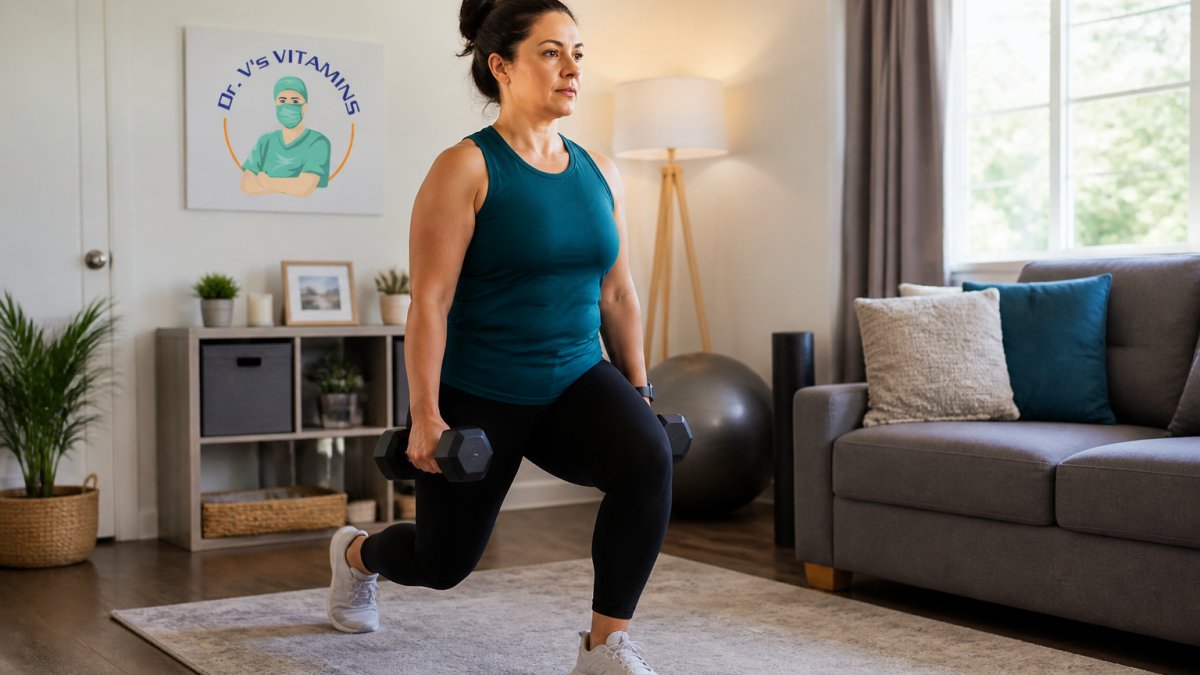
Resistance Exercise Basics for Post-Op Recovery
Start with bodyweight exercises and light resistance. These build functional strength without overwhelming your recovering body.
Effective beginner resistance exercises include:
- Wall push-ups (modify standard push-ups by pushing against a wall)
- Resistance band rows (gentle pulling motion for back muscles)
- Dumbbell bicep curls with 3 to 5 pound weights
- Dumbbell shoulder presses with 3 to 5 pound weights
- Resistance band chest presses
- Bodyweight squats (no added weight)
- Step-ups on a low step using bodyweight
Perform 10 to 12 repetitions of each exercise. Rest for one minute between sets. Complete two to three sets per exercise. Do this routine two to three times per week with at least one rest day between sessions.
Focus on proper form over heavy weight. A light weight done correctly builds muscle. Heavy weight done incorrectly causes injury.
Progressive Resistance Training: Weeks 9-16 and Beyond
After four weeks of basic resistance training, gradually increase the challenge. This progression prevents adaptation and keeps your muscles growing.
Progress by increasing weight slightly, adding more repetitions, or adding sets. Increase by only 5 to 10 percent at a time. Small, consistent increases work better than big jumps.
By week 16 post-op, a typical routine looks like this:
- Three days per week of strength training
- Four to five exercises per session
- Three sets of 10 to 12 repetitions per exercise
- Weights that feel challenging but allow proper form
- One to two minutes of rest between sets
Include both upper body and lower body exercises. Work your chest, back, shoulders, arms, and legs. This balanced approach prevents injury and builds functional strength.
As you progress, add new exercises. Vary your routine every four to six weeks. This prevents boredom and keeps your muscles challenged.
Monitor Your Progress: Tracking Muscle Loss and Body Composition
Weight loss alone doesn't tell you whether you're preserving muscle. You could be losing fat and muscle at the same rate. You need to track body composition, not just weight.
Body composition measures the percentage of your weight that's muscle versus fat. Preserving muscle means your body composition improves even as your weight drops.
Track these metrics every two to four weeks:
| Metric | How to Measure | Target Change |
|---|---|---|
| Weight | Scale (same time, same day) | 1-2 lbs per week |
| Waist circumference | Measuring tape at belly button | Steady decrease |
| Muscle strength | How much weight you can lift | Steady increase |
| Energy level | Subjective daily assessment | Improvement by week 8-12 |
| Clothing fit | How your clothes fit | Steady improvement |
Don't obsess over the scale. Weight fluctuates daily based on water, food, and hormones. Waist circumference and strength are better indicators of real progress.
Take progress photos every four weeks. Stand in the same location with the same lighting. Compare photos month to month. Visual changes often show progress that the scale misses.
If your energy is dropping or strength is stalling, increase protein intake and check your supplement routine. Many patients discover they're not absorbing nutrients properly.
Preventing muscle loss after gastric sleeve surgery requires intentional effort across three areas: protein intake, resistance training, and strategic supplementation. The patients who succeed focus on all three.
WLSVitamins formulas are built on over two decades of bariatric patient blood work data. Our Bariatric Daily Multivitamin and Dr. V's Bariatric Bundle address the exact nutrient deficiencies that drive fatigue and muscle loss.

Frequently Asked Questions
How much protein should I eat after gastric sleeve surgery to maintain muscle?
Most bariatric surgery patients need 60-80 grams of protein daily, spread across multiple small meals. Your surgeon may recommend higher amounts if you're exercising regularly. Start by aiming for 15-25 grams per meal, depending on your pouch capacity. Track your intake for a week to identify gaps, then use bariatric protein supplements to bridge the shortfall without exceeding your volume limit.
When can I start strength training after gastric sleeve surgery?
Most surgeons clear patients for light resistance training around weeks 8-12, once incisions have fully healed and you've regained basic strength. Begin with bodyweight exercises and light dumbbells (2-5 pounds), focusing on form rather than intensity. Always get surgeon clearance before starting any exercise program, and increase weight gradually over 4-6 weeks to avoid injury and excessive muscle fatigue.
Is muscle loss normal during rapid weight loss after gastric sleeve surgery?
Yes, some muscle loss occurs during rapid weight loss because your body breaks down lean tissue for energy when calories are severely restricted. However, adequate protein intake (60-80 grams daily) and resistance training can minimize this loss significantly. Studies show patients who combine sufficient protein with strength exercise preserve 30-40% more lean muscle mass than those who diet alone.
What supplements help prevent muscle loss after gastric sleeve surgery?
A comprehensive bariatric multivitamin (like Dr. V's Bariatric Daily Multivitamin), Vitamin D3, B12, and iron are essential for muscle function and energy production. Many patients also benefit from omega-3 fatty acids for inflammation management and recovery. Because your stomach absorbs less after surgery, bioavailable forms (like methylcobalamin B12 and iron bis-glycinate) deliver better results than standard supplements.