
Table of Contents
- Why Caffeine Is Restricted After Bariatric Surgery
- Understanding Vitamin Deficiencies After Bariatric Surgery
- How to Fix Fatigue After Bariatric Surgery Without Caffeine
- Bariatric-Friendly Energy Drinks and Beverages
- Supplement-Based Energy Solutions for Post-Bariatric Patients
- When to Reintroduce Caffeine and Safe Tolerance Tracking
- Common Causes of Persistent Fatigue and When to Seek Help
- Frequently Asked Questions
Last Updated: October 18, 2026
Why Caffeine Is Restricted After Bariatric Surgery
Caffeine restriction after bariatric surgery isn't arbitrary. Your digestive system has fundamentally changed, and caffeine interacts with that new anatomy in ways that can cause real problems. Understanding why caffeine alternatives energy solutions matter for post-bariatric recovery will help you choose better beverages during this critical time.
After gastric bypass, gastric sleeve, or duodenal switch surgery, your stomach shrinks dramatically, from a 1.5-quart organ to a pouch the size of an egg. This changes not just portion size but how your body absorbs nutrients and processes substances like caffeine.
Caffeine is a stimulant that increases stomach acid and speeds up gastric emptying.
Caffeine is also a diuretic, increasing fluid loss when your body desperately needs hydration to heal and absorb nutrients. Dehydration compounds fatigue and can stall weight loss.
The real issue isn't that you need caffeine, it's that your body needs the nutrients and hydration that caffeine-free alternatives provide far more effectively during recovery.
Understanding Vitamin Deficiencies After Bariatric Surgery
Fatigue after bariatric surgery is rarely just about needing rest. It usually signals that your body is short on the nutrients it needs to produce energy at the cellular level.
Bariatric surgery reduces your ability to absorb several critical nutrients at once. Reduced stomach volume means less food overall, and altered anatomy, especially after bypass, means certain nutrients skip absorption sites entirely.
B vitamins, particularly thiamine (B1) and B12, are essential for converting food into usable energy. Low B12 leaves red blood cells struggling to carry oxygen, slows nervous system function, and slows metabolism.
The problem compounds if you're on GLP-1 medications like semaglutide or tirzepatide, which reduce appetite and food intake even more dramatically than surgery alone, accelerating nutrient depletion. Less movement means accelerated muscle loss on top of already-reduced nutrient absorption.
Generic vitamins weren't formulated for this reality. They're designed for people eating full meals and absorbing nutrients normally.
How to Fix Fatigue After Bariatric Surgery Without Caffeine
Sustainable energy after bariatric surgery involves three interconnected strategies: restoring hydration, timing protein and nutrient intake correctly, and choosing beverages that support rather than undermine recovery.
Hydration and Its Role in Energy Levels
Dehydration is the fastest route to fatigue, and it's shockingly common in bariatric patients. Your small pouch makes it harder to drink enough fluids, especially early on. Many patients unconsciously restrict water because they feel full after a few sips or fear stretching their pouch.
Proper hydration is non-negotiable for energy production. Every cell requires water to generate ATP, the molecule that powers cellular activity. When you're dehydrated, metabolism slows, oxygen delivery to muscles decreases, and brain function declines, so you feel exhausted even with enough sleep.
Aim for at least 64 ounces of fluid daily, sipped in small amounts. Don't drink 8 ounces at once, that won't work with your new anatomy.
Plain water is your foundation, but infused water adds flavor without caffeine or added sugar. Lemon, cucumber, and berry-infused water provide hydration plus trace minerals and antioxidants. Bone broth delivers collagen, amino acids, and minerals in a form your altered digestive system absorbs efficiently.
Protein and Nutrient Timing
Protein isn't just for building muscle, it's central to energy production and satiety. After bariatric surgery, your protein needs increase relative to calorie intake, yet your ability to consume protein decreases, creating a genuine nutritional crisis if you don't approach it strategically.
Aim for 60-80 grams of protein daily, distributed across small meals and snacks.
Pair your protein with B vitamins and iron. The Vitamin B Complex with Thiamine from WLSVitamins delivers therapeutic-dose B vitamins essential for converting protein into usable energy. Thiamine supports carbohydrate metabolism and neurological function, two areas where bariatric patients commonly struggle.

Time your largest protein intake around your most active hours. If you exercise in the morning, prioritize a protein shake or Greek yogurt with nuts early. If your energy crashes mid-afternoon, make lunch your largest protein meal rather than dinner.
Bariatric-Friendly Energy Drinks and Beverages
When fatigue hits and you're avoiding caffeine, your beverage choices become your primary energy strategy. The right options support hydration, deliver nutrients, and stabilize blood sugar. The wrong ones leave you more depleted.
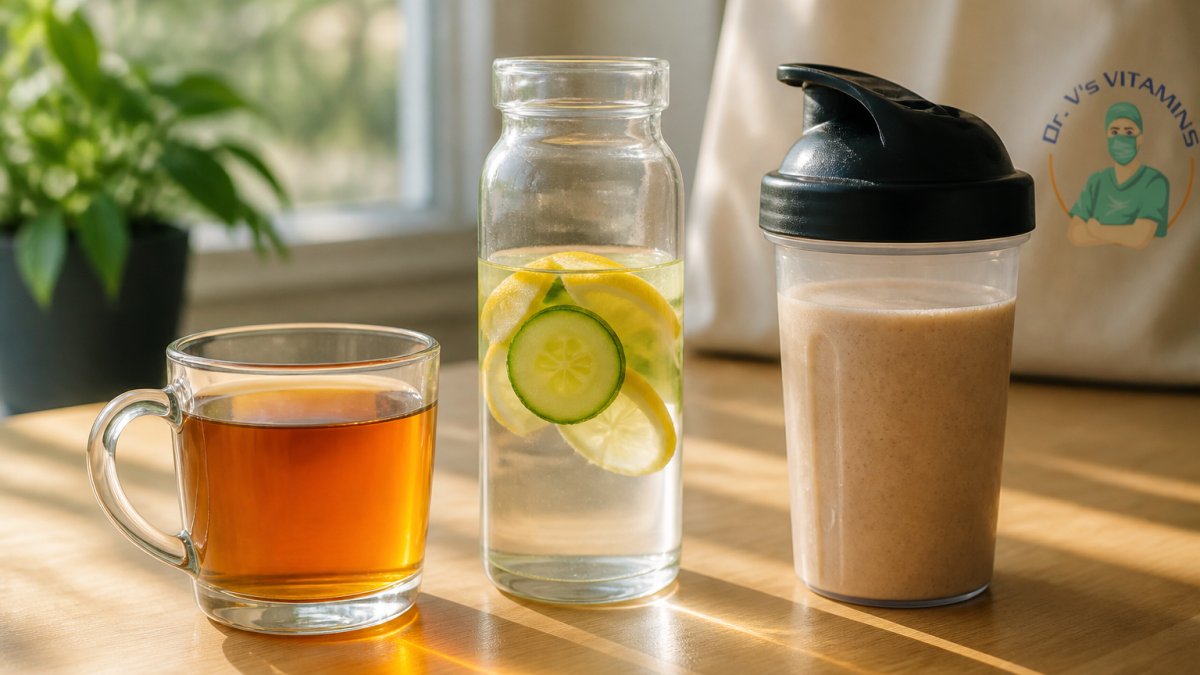
Water and Infused Water Options
Water remains your most important beverage. It's free of additives, supports every cellular process, and won't irritate your healing digestive system. The challenge is drinking enough without overwhelming your small pouch.
Infused water adds flavor and trace nutrients without sugar or caffeine. Lemon water supports digestion and provides vitamin C, cucumber water is cooling and hydrating, and berry-infused water adds antioxidants. Prepare it the night before so flavors develop, then sip small amounts throughout the day.
Fruit-infused water differs from juice, you're getting hydration with fiber and nutrients without the concentrated sugar that causes blood sugar spikes and crashes.
Herbal Tea and Decaffeinated Beverages
Herbal tea provides warmth, flavor, and nutritional benefits without caffeine's digestive irritation. Chamomile is gentle on the stomach and supports relaxation. Ginger aids digestion and can settle nausea, a common post-bariatric complaint. Peppermint supports digestive comfort and offers a refreshing flavor.
Vitamin B Complex with Thiamine for GLP-1 and Bariatric Support →
Green tea contains minimal caffeine (about 25-50mg per cup versus 95-200mg in coffee), making it potentially acceptable later in recovery once your digestive system stabilizes. However, many bariatric patients find even this amount triggers symptoms in the first 6-12 months post-surgery. Black tea carries similar concerns.
Decaffeinated coffee suits patients who miss the ritual and warmth of coffee. However, decaffeination can leave residual caffeine (2-5mg per cup), and the acidity still irritates sensitive post-surgical stomachs. If you choose decaf, limit intake and always pair it with food.
Protein Shakes and Bone Broth
Protein shakes serve double duty, providing hydration plus essential amino acids and often added vitamins. Choose shakes formulated for bariatric patients that are low in sugar (under 5g per serving), high in protein (20-30g), and easy to digest.
Bone broth delivers collagen, gelatin, and amino acids in a form your altered digestive system absorbs readily. Unlike regular broth, it's simmered 12-24 hours, extracting deep mineral content. Sip it warm or use it as a soup base. Many bariatric patients find it provides sustained energy without the blood sugar crashes that follow sugary drinks.
| Beverage Type | Energy Support | Digestive Impact | Best Timing |
|---|---|---|---|
| Plain water | Foundational hydration | Neutral, gentle | Throughout day |
| Infused water | Hydration + trace nutrients | Neutral | Throughout day |
| Herbal tea (ginger, chamomile, peppermint) | Minimal, but supports digestion | Gentle, therapeutic | Anytime, warm preferred |
| Decaffeinated coffee | Minimal energy, ritual comfort | Potentially irritating | With food, limit early recovery |
| Protein shake | Protein + sustained energy | Depends on formula; choose bariatric-specific | Post-workout or between meals |
| Bone broth | Amino acids + minerals | Highly absorbable | Anytime, warm preferred |
Supplement-Based Energy Solutions for Post-Bariatric Patients
Beverages alone won't solve post-bariatric fatigue if underlying nutrient deficiencies remain unaddressed. Supplementation is where real energy recovery happens.
Iron deficiency is equally common and energy-draining. Iron carries oxygen to every cell, so without enough, your muscles and brain operate in chronic oxygen deprivation.
Vitamin D3 supports bone density and muscle function. GLP-1-driven reductions in physical activity accelerate vitamin D depletion. D3 at 5,000 IU addresses this specific risk.
B12 form matters enormously. Methylcobalamin, the active form in WLSVitamins Chewable B12, delivers 60-80% bioavailability vs. 15-25% for synthetic cyanocobalamin. It's also chewable, eliminating the swallowing challenges that plague bariatric patients on multiple supplements.
The Dr. V's Bariatric Bundle combines the micronutrients most depleted in post-surgical and GLP-1 patients in one coordinated stack, formulated over two decades of bariatric patient blood work analysis.

When to Reintroduce Caffeine and Safe Tolerance Tracking
Caffeine isn't permanently forbidden after bariatric surgery. For most patients, careful reintroduction becomes possible 6-12 months post-operatively, once your digestive system has stabilized and nutrient levels have recovered.
The key word is careful. Reintroduction isn't permission to return to pre-surgery caffeine habits. Start small: half a cup of weak tea, or a few sips of decaf with a little regular coffee mixed in. Track your response for 24-48 hours.
If you tolerate small amounts, increase gradually over weeks, not days. Many bariatric patients find their tolerance caps at 50-100mg of caffeine daily, roughly one cup of weak tea or half a cup of regular coffee, versus the 300-400mg many consumed pre-surgery.
Keep a simple log: date, caffeine amount, timing, symptoms, energy level. This reveals your personal threshold. Some patients tolerate caffeine well from month six onward; others never regain tolerance and genuinely prefer caffeine-free living. Both outcomes are normal.
Common Causes of Persistent Fatigue and When to Seek Help
If you're following all these strategies, staying hydrated, timing protein, taking appropriate supplements, and still exhausted, something else may be at play.
Persistent fatigue after bariatric surgery warrants bloodwork. Ask your bariatric surgeon or primary care provider to check:
- Complete blood count (CBC) to assess red blood cell count and hemoglobin
- Comprehensive metabolic panel (CMP) for kidney and liver function
- B12 and folate levels specifically
- Iron panel (serum iron, ferritin, TIBC)
- Vitamin D level
- Thyroid function (TSH, free T4)
Sleep quality matters enormously. Bariatric surgery can trigger or worsen sleep apnea. Poor sleep sabotages energy recovery regardless of your nutrient status. If you're sleeping 8+ hours and still exhausted, discuss sleep apnea screening with your doctor.
Depression and anxiety are common post-bariatric experiences, and both manifest as fatigue. Rapid weight loss, body image changes, and life adjustments create real psychological stress.
Overexercise without adequate calories and protein creates chronic underfueling, especially common in patients who become very active post-surgery and unconsciously restrict food further.
Fatigue after bariatric surgery doesn't have to be your new normal. Start with the Bariatric Daily Multivitamin and Vitamin B Complex, track your energy levels over 4-6 weeks, and adjust based on your response.

Frequently Asked Questions
What can I use instead of caffeine for energy after bariatric surgery?
After bariatric surgery, address fatigue by prioritizing hydration, adequate protein intake, and correcting nutrient deficiencies, particularly B vitamins, iron, and vitamin D. Herbal teas like chamomile and ginger, protein shakes, bone broth, and infused water provide sustained energy without caffeine's irritating effects on your sensitive digestive tract. The Bariatric Daily Multivitamin with therapeutic-dose thiamine and B-complex vitamins supports energy metabolism directly, addressing the root cause of post-operative fatigue rather than masking it with stimulants.
How do I fix fatigue after bariatric surgery without relying on caffeine?
Fatigue after bariatric surgery stems primarily from nutrient malabsorption. Focus on consistent hydration, aim for small, frequent sips throughout the day, and ensure you're meeting protein goals to preserve muscle mass. Supplement strategically with B vitamins (especially thiamine and B12), iron, and vitamin D, which are commonly depleted post-operatively. Eating smaller, more frequent meals and spacing supplements away from food can improve absorption. If fatigue persists beyond three months, consult your bariatric care team to check for deficiencies through blood work.
Which nutrient deficiencies cause fatigue after bariatric surgery?
B vitamin deficiencies, especially thiamine (B1) and B12, are the most common causes of post-bariatric fatigue. Iron deficiency leads to reduced oxygen transport to muscles and brain, causing weakness and brain fog. Vitamin D deficiency impairs muscle function and mood, while low folate and B6 compromise energy metabolism and red blood cell production. The Vitamin B Complex with Thiamine at therapeutic doses (75 mg vs. the standard 1.5 mg) directly addresses the elevated B vitamin needs bariatric patients face, helping restore energy at the metabolic level.
Can I ever have caffeine again after bariatric surgery?
Yes, but timing and tolerance matter. Most bariatric surgeons recommend waiting 4-6 weeks before introducing small amounts of caffeine to allow your stomach to heal. Start with decaffeinated coffee or weak tea in small quantities (2-4 ounces) and monitor for nausea, heartburn, or stomach irritation. If you tolerate it well, you may gradually increase intake, though many post-bariatric patients find they never need or want caffeine again once their nutrient status improves. Always consult your care team before reintroducing caffeine, especially if you have a history of ulcers or gastritis.
What are bariatric-friendly energy drinks I can safely consume?
Bariatric-friendly options include herbal teas (chamomile, ginger, peppermint), decaffeinated coffee in small amounts, plain or infused water, sugar-free protein shakes, and bone broth. Avoid sugary drinks, carbonated beverages, and high-caffeine options that can irritate your stomach. Protein shakes offer dual benefits, sustained energy from protein plus hydration. If you're using GLP-1 medications alongside bariatric surgery, protein drinks help offset muscle loss while providing steady energy without the digestive upset caffeine causes.