
Table of Contents
- Prescription Versus Nonprescription Weight-Loss Options
- Understanding FDA Approval and Over-the-Counter Weight-Loss Supplements
- How Orlistat and Other Nonprescription Medications Work
- Common Supplement Ingredients and Product Types for Weight Management
- Natural Alternatives to Ozempic and GLP-1 Medications
- Weight-Loss Medication Side Effects and Why Supplements Matter
- Clinician-Formulated Supplements for Rapid Weight Loss and Nutrient Support
- Evidence-Based Approaches Beyond Supplements: Nutrition, Activity, and Professional Support
- Frequently Asked Questions
Last Updated: October 14, 2026
Prescription Versus Nonprescription Weight-Loss Options
When you're considering weight loss, the choice between prescription medications and alternatives to prescription weight loss shapes your entire approach. Prescription weight-loss medications like GLP-1 drugs work through specific mechanisms in your body, while nonprescription options, supplements, dietary changes, and lifestyle modifications, operate through different pathways. Understanding how these alternatives to prescription weight loss differ helps you make informed decisions about what aligns with your health goals and circumstances.
Prescription medications require medical oversight and come with documented clinical trials backing their use. Nonprescription alternatives offer flexibility and accessibility without a doctor's prescription, though they operate with varying levels of scientific support. Many people find that combining approaches works better than relying on a single method.
Understanding FDA Approval and Over-the-Counter Weight-Loss Supplements
The FDA approval process for weight-loss products differs dramatically between prescription medications and over-the-counter supplements. Prescription drugs undergo rigorous clinical trials and require FDA approval before reaching the market (the FDA).
This distinction matters for what you know about safety and effectiveness. Prescription medications have extensive safety data from clinical trials. Supplements, by contrast, rely on manufacturers to ensure safety and accurate labeling. The FDA can take action against dangerous supplements after they're on the market, but the burden of proof differs significantly.
Many weight-loss supplements contain ingredients with some research backing, like caffeine, green tea extract, or fiber, but the evidence supporting their effectiveness varies widely. Some show modest effects in studies; others lack rigorous testing altogether. This is why third-party testing and transparent labeling matter when you're evaluating nonprescription options.
How Orlistat and Other Nonprescription Medications Work
Orlistat stands out among nonprescription weight-loss options because it's an actual medication, not a supplement. It's available over the counter under brand names like Xenical and Alli.
The mechanism is straightforward: unabsorbed fat passes through your digestive system, which can cause side effects like loose stools and urgent bowel movements, especially if you eat high-fat meals.
Orlistat differs from prescription GLP-1 medications in several fundamental ways. GLP-1 drugs work on your brain's appetite centers and slow stomach emptying, making you feel fuller longer. Orlistat doesn't affect hunger or satiety; it simply reduces fat absorption. For some people, this makes orlistat easier to tolerate.
Results with orlistat are modest but measurable. People typically lose a few pounds more than they would with diet alone, but the effect is smaller than what prescription medications deliver. Many people use orlistat as part of a broader weight-management strategy that includes supplements addressing nutritional gaps.
Common Supplement Ingredients and Product Types for Weight Management
Weight-loss supplements contain dozens of ingredients, each with different proposed mechanisms. Understanding what these ingredients actually do, versus what marketing claims suggest, helps you evaluate options realistically.
Appetite Suppressants and Hunger Management
Appetite suppressants work by signaling fullness or reducing hunger signals in your brain. Caffeine and caffeine-containing ingredients like green tea extract stimulate the central nervous system, which can slightly reduce appetite and increase alertness. Glucomannan, a soluble fiber, absorbs water in your stomach and expands, creating a sense of fullness that may reduce calorie intake.
Garcinia cambogia contains hydroxycitric acid (HCA), which some research suggests may increase serotonin levels and reduce appetite. However, evidence supporting its effectiveness in humans remains limited and mixed. Fenugreek seeds contain compounds that may slow stomach emptying and promote satiety, though studies show modest effects at best.
The reality is that most appetite suppressants produce small, temporary effects. They work best when combined with dietary changes and physical activity, not as standalone solutions.
Fat Burners and Thermogenic Ingredients
Fat burners contain ingredients intended to increase your metabolic rate, so your body burns more calories at rest. Caffeine is the most evidence-backed thermogenic ingredient; it modestly increases calorie burn and fat oxidation. Green tea extract contains EGCG (epigallocatechin gallate), a catechin that may enhance fat burning, especially during exercise.
Conjugated linoleic acid (CLA) is a fatty acid that some research suggests may support fat loss, though effects are typically small. Capsaicin, the compound that makes chili peppers hot, may increase thermogenesis and fat oxidation slightly. Synephrine, found in bitter orange, works similarly to ephedrine (which was banned from supplements) but with less potency and fewer safety concerns.
Most thermogenic ingredients produce measurable but modest effects, typically supporting 1-3 pounds of additional weight loss over months of use. They're not transformative on their own.
Fiber-Based Supplements and Fullness
Fiber supplements work through a simple mechanism: they absorb water, expand in your stomach, and create a sense of fullness that reduces calorie intake. Glucomannan is particularly effective because it absorbs up to 50 times its weight in water, creating significant volume in your digestive tract (ncbi.nlm.nih.gov).
Psyllium husk and other soluble fibers work similarly but with less dramatic expansion. These supplements also support digestive health and regular bowel function, which many people find valuable beyond just weight loss.
The limitation with fiber supplements is that fullness is temporary. Once your stomach empties, hunger returns. For this reason, fiber works best when paired with nutrient-dense meals and behavioral strategies that address eating patterns.
| Ingredient Type | Primary Mechanism | Typical Effect | Best Used With |
|---|---|---|---|
| Appetite suppressants | Reduce hunger signals or create fullness | Small to modest | Dietary changes |
| Thermogenics | Increase calorie burn | Very small | Exercise and activity |
| Fiber supplements | Create stomach volume and fullness | Modest, temporary | Whole-food nutrition |
| Stimulants | Increase alertness and energy | Small to modest | Physical activity |
Natural Alternatives to Ozempic and GLP-1 Medications
GLP-1 medications like semaglutide (Ozempic) and tirzepatide (Zepbound) represent a significant shift in weight-loss treatment. They're highly effective but come with side effects, costs, and accessibility challenges. Many people search for natural alternatives hoping to achieve similar results without prescription medications.
The honest answer: no supplement replicates GLP-1 medication's mechanism. These drugs work on specific brain receptors that regulate appetite, blood sugar, and stomach emptying in ways that current supplements cannot match. However, several natural approaches can support weight loss through different pathways.
Berberine, an alkaloid found in plants like barberry, shows promise for blood sugar regulation and modest weight loss. Some research suggests it may activate similar metabolic pathways to metformin, a diabetes medication.
Dr. V's Salvage Stack | Bari-Hair + Essential Fatty Acids | WLSVitamins →
These ingredients can be useful components of a comprehensive weight-management strategy, but positioning them as "natural Ozempic" sets unrealistic expectations. They work differently, produce smaller effects, and require consistent use alongside nutrition and activity changes.
Weight-Loss Medication Side Effects and Why Supplements Matter
Both prescription medications and some supplements come with side effects that affect your quality of life. GLP-1 medications commonly cause nausea, constipation, and reduced appetite, side effects that can make eating adequate protein and nutrients challenging. This is where targeted supplementation becomes critical.
When you're taking a GLP-1 medication or recovering from weight-loss surgery, you eat significantly less food. That reduced intake means fewer opportunities to get essential vitamins, minerals, and nutrients. Deficiencies in B vitamins, iron, calcium, and other micronutrients develop quickly without supplementation.
Orlistat blocks fat absorption, which can interfere with the absorption of fat-soluble vitamins like vitamins A, D, E, and K. Long-term orlistat use without supplementation can lead to deficiencies that cause fatigue, weak bones, and other complications.
This is why clinician-formulated supplements designed specifically for people undergoing rapid weight loss matter. Generic multivitamins often contain insufficient doses of critical nutrients for your altered absorption and reduced intake.
Clinician-Formulated Supplements for Rapid Weight Loss and Nutrient Support
When you're losing weight rapidly, whether through medication or surgery, your nutritional needs shift dramatically. Standard supplements don't account for these changes.
WLSVitamins develops formulas specifically for people taking GLP-1 medications and those who've had weight-loss surgery. Our Bariatric Daily Multivitamin, for example, contains significantly higher doses of B vitamins, particularly thiamine (B1), than standard multivitamins because post-operative patients deplete these nutrients rapidly.

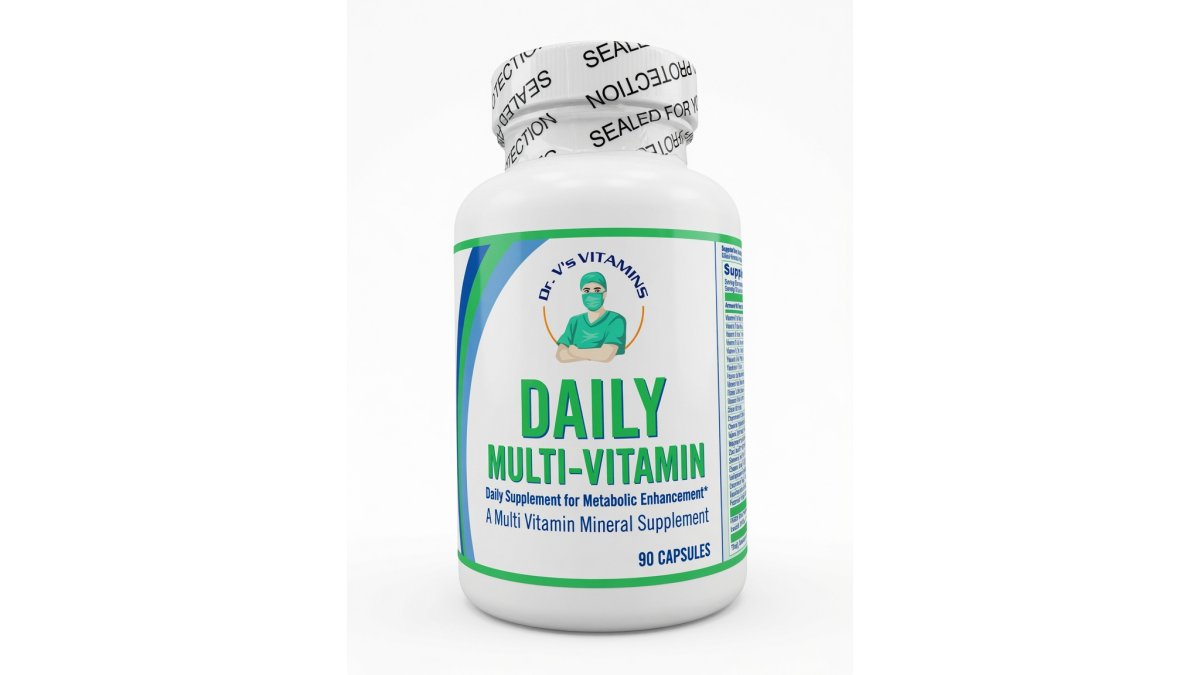
Hair loss is one of the most visible side effects of rapid weight loss. It happens because your body prioritizes survival over appearance during caloric restriction.
The Dr. V's Salvage Stack pairs Bari-Hair with Essential Fatty Acids, addressing two critical gaps simultaneously. When you eat less, you typically consume less protein and healthy fat, both essential for hair, skin, and nail health.
Brain fog and fatigue plague many people during rapid weight loss. Our Vitamin B Complex with Thiamine delivers high-potency B vitamins at therapeutic doses because B vitamin deficiency, especially thiamine deficiency, can cause irreversible neurological damage if left unaddressed.
Evidence-Based Approaches Beyond Supplements: Nutrition, Activity, and Professional Support
Supplements support weight loss, but they're not the foundation. Evidence consistently shows that lasting weight loss comes from sustainable changes in nutrition, physical activity, and behavior, supported by professional guidance when needed.
Nutrition matters more than any supplement. Adequate protein intake, roughly 1.2 to 2.2 grams per kilogram of body weight daily, preserves muscle during weight loss and supports satiety.
Physical activity supports weight loss through multiple mechanisms: it burns calories, preserves muscle, improves insulin sensitivity, and supports mental health.
Behavioral support, whether through counseling, support groups, or structured programs, addresses the habits and thought patterns that drive eating behavior. Many people lose weight successfully but regain it because they haven't addressed underlying behaviors.
This combination, sound nutrition, regular activity, behavioral support, and targeted supplementation, creates conditions for sustainable weight loss. No single element carries the entire load.
Rapid weight loss creates real nutritional challenges that generic supplements often miss. Start with our Bariatric Daily Multivitamin as your foundation, and add targeted support like our Vitamin B Complex or Bari-Hair based on your specific needs.

Frequently Asked Questions
What are the main alternatives to prescription weight loss supplements?
Alternatives to prescription weight loss supplements include FDA-approved nonprescription medications like orlistat, clinician-formulated dietary supplements designed for rapid weight loss, natural ingredients such as fiber and green tea extract, and evidence-based lifestyle approaches including nutrition changes, physical activity, and behavioral support. For GLP-1 users and bariatric surgery patients, specialized supplements address nutrient gaps that generic options miss, helping prevent deficiencies that cause fatigue and brain fog.
Can dietary supplements for weight loss replace prescription medications?
Dietary supplements for weight loss work differently than prescription medications and are not direct replacements. Over-the-counter supplements support weight management through appetite suppression, metabolism support, or fullness, while prescription drugs use stronger mechanisms. Many people combine both approaches or choose supplements when prescription medications aren't suitable. Clinician-formulated supplements tailored to your situation, such as those designed for GLP-1 users, address specific nutrient gaps created during rapid weight loss.
What should I know about weight-loss medication side effects before choosing supplements?
Weight-loss medication side effects like nausea, reduced appetite, and nutrient malabsorption create specific deficiency risks. GLP-1 medications and bariatric surgery dramatically reduce food intake, depleting B vitamins, iron, calcium, and protein. Specialized supplements help prevent these deficiencies and the resulting fatigue and brain fog. Before stopping any medication, discuss your concerns with your clinician. They can recommend supplements that work alongside your treatment or help you transition safely if you decide to change approaches.
Are there natural alternatives to Ozempic that actually work?
True natural alternatives to Ozempic don't exist, no herbal supplement mimics GLP-1's mechanism. However, natural ingredients support weight management through different pathways: fiber increases fullness, green tea boosts metabolism, and certain botanicals reduce appetite. These work best combined with nutrition and activity changes. For GLP-1 users, the real value of supplements is filling nutrient gaps that the medication creates, not replacing the medication itself. Clinician-formulated options designed for GLP-1 patients address these specific needs.
How do I know if an over-the-counter weight-loss supplement is safe and effective?
Look for products with third-party testing, clear ingredient lists, and transparent dosing. Check that claims are supported by clinical evidence, not just marketing language. For weight loss specifically, avoid products making unrealistic promises. If you're on GLP-1 medication or have had bariatric surgery, choose supplements formulated for your situation, they account for your altered absorption and specific deficiency risks. Always discuss any supplement with your clinician before starting, especially if you take medications, to check for interactions.